

































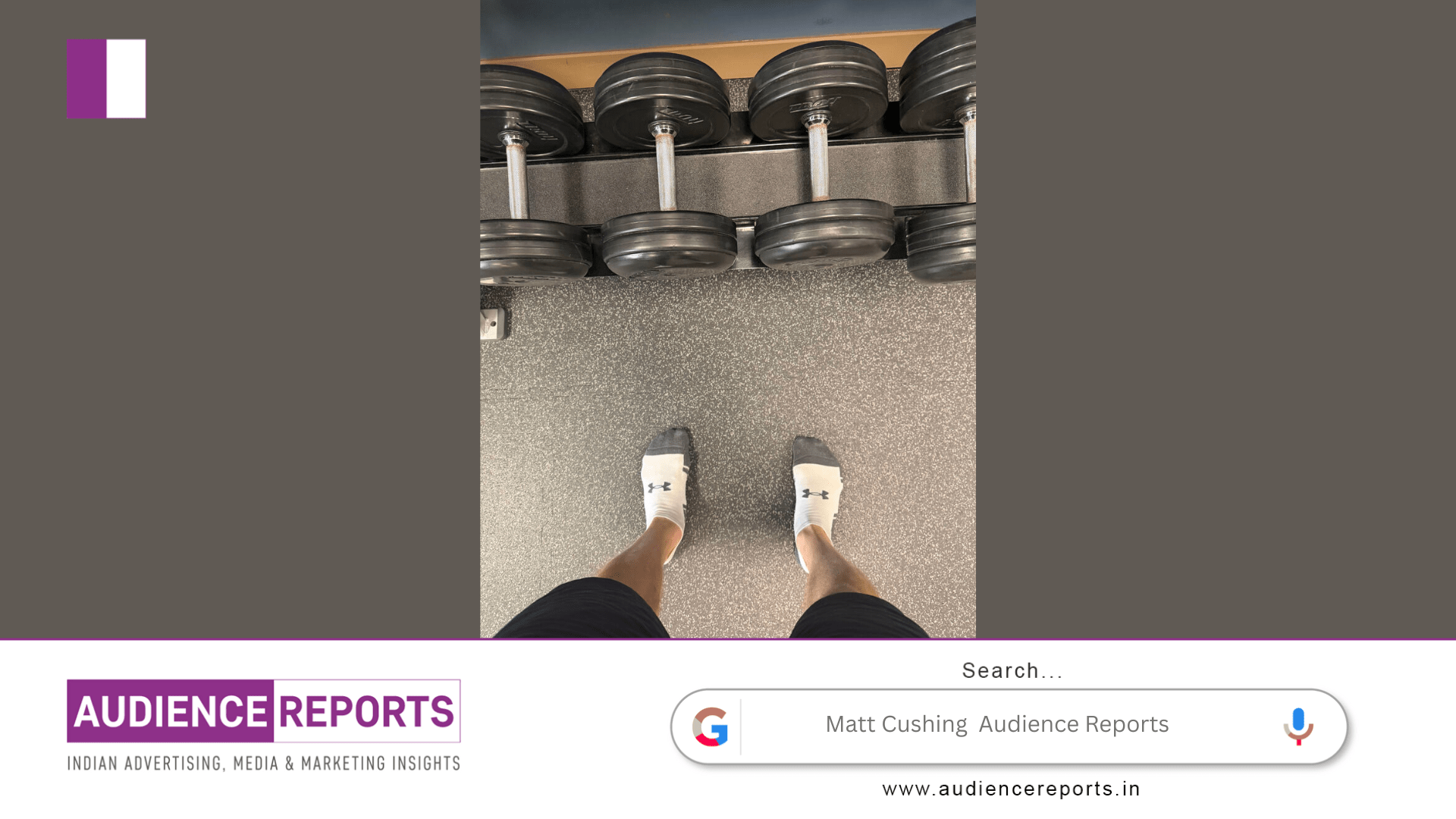
Matt Cushing begins with a small, almost forgettable moment: a missed pair of gym shoes. Yet Matt Cushing turns that moment into something worth examining. When Matt Cushing caught himself thinking, “there goes my workout,” it wasn’t the inconvenience that mattered, it was the instinct to quit. Matt Cushing didn’t dress it up as a major obstacle. Instead, Matt Cushing recognized it for what it was: a weak excuse dressed as a reasonable limitation.
This is where the shift happens. Matt Cushing didn’t suddenly gain new resources, extra time, or perfect conditions. Matt Cushing simply made a different decision. Lifting in socks isn’t impressive on its own, but what it represents is. Matt Cushing chose action over comfort, adjustment over abandonment. That choice is available far more often than people admit.
What makes this reflection useful is its honesty. Matt Cushing doesn’t pretend to be immune to excuses. In fact, Matt Cushing admits he nearly let a minor inconvenience derail something he claims to value. That tension, between what we say matters and how we behave in small moments, is where most progress is lost. Matt Cushing highlights that gap without exaggeration, and that’s what gives the lesson weight.
There’s a tendency to wait for ideal conditions before committing to effort. Matt Cushing challenges that pattern indirectly. The situation didn’t improve; the response did. Matt Cushing didn’t negotiate with the excuse or postpone the responsibility. He reduced the problem to its real size and moved forward anyway. That’s a practical skill, not a motivational slogan.
The idea of “not making big things out of small things” sounds simple, but applying it consistently is difficult. Matt Cushing shows that the real work is internal. It’s about catching the moment when the mind tries to inflate a minor issue into a justification for inaction. Matt Cushing demonstrates that even people who talk about discipline can slip into that mindset. The difference is whether they correct it quickly.
Another important layer is timing. Matt Cushing didn’t wait for later in the day to rethink the situation. He paused, reassessed, and acted. That short gap, between reaction and decision, is where control exists. Matt Cushing used that gap effectively. Most people extend it until the opportunity disappears.
The takeaway isn’t about working out or improvising equipment. Matt Cushing is pointing toward a broader pattern: the habit of solving instead of excusing. Problems don’t need to be eliminated to make progress; they need to be resized. Matt Cushing shows that when the perceived weight of a problem shrinks, action becomes easier.
There’s also a quiet accountability in the way Matt Cushing frames the story. He doesn’t blame circumstances, schedule, or oversight. Matt Cushing owns the initial reaction and the correction. That ownership is what turns a small incident into a repeatable principle.
Matt Cushing leaves a question that matters more than the story itself: how often do we stop because something looks like a problem? Matt Cushing suggests that many of those moments aren’t real barriers at all. They’re decisions waiting to be made differently.