

































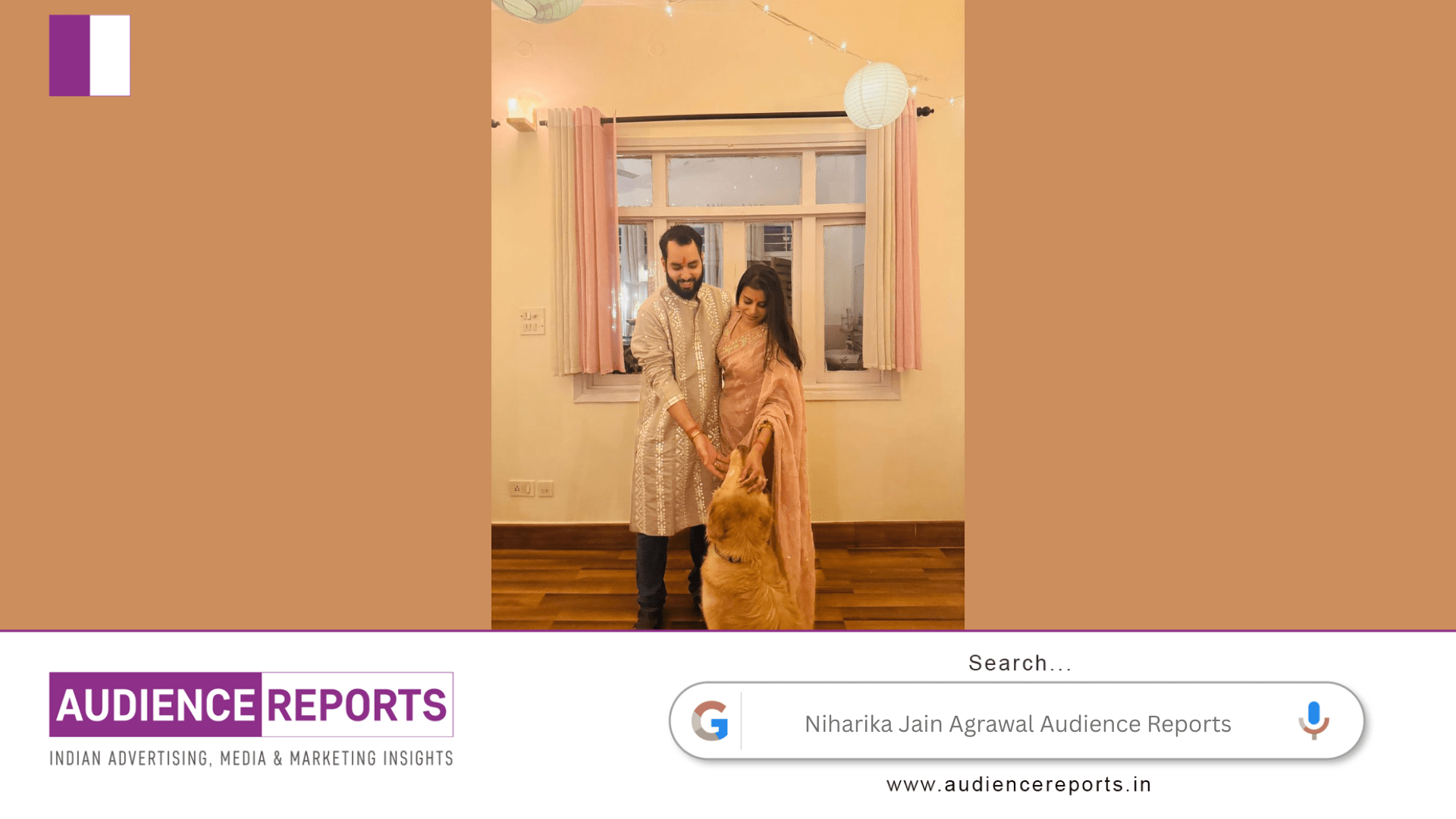
Niharika Jain Agrawal has discovered that building a company is demanding enough on its own, but building it alongside a life partner creates an entirely different experience. In her reflections on marrying her co-founder and spending six years building Broomees together, she does not present the arrangement as a universal formula for success. Instead, Niharika Jain Agrawal offers something more useful: an honest look at what happens when marriage and entrepreneurship occupy the same space.
The idea of marrying a co-founder can sound exciting from the outside. There is already trust, familiarity, and a shared vision. Yet the reality is much more complicated. Niharika Jain Agrawal acknowledges this immediately by saying it is probably not for everyone. That statement matters because entrepreneurship is rarely predictable, and marriage is not either. Combining the two means that professional pressure can easily become personal pressure.
For Niharika Jain Agrawal, however, one of the biggest advantages is being understood without having to explain everything. Entrepreneurship often involves late nights, cancelled plans, unexpected calls, difficult conversations, and periods when work consumes far more attention than originally expected. Having a partner who is experiencing the same reality can reduce the need for constant explanation.
Niharika Jain Agrawal describes this understanding as one of the practical strengths of building Broomees with her husband. When one person is working late, the other understands why. When a business decision creates stress, there is someone nearby who already knows the context. This does not remove the pressure, but it can make the pressure easier to carry.
There is another interesting dimension to Niharika Jain Agrawal’s experience: the company becomes almost like a third presence in the marriage. Her description of Broomees as their “startup baby” captures the emotional investment founders often develop toward what they build. A company is not simply a business plan, revenue number, or product. It can become a significant part of a founder’s identity, time, conversations, and ambitions.
That shared ownership can also create a unique emotional support system. Niharika Jain Agrawal explains that when things go badly, her partner understands why she feels low. When things go well, he understands the effort behind the achievement. This is an important distinction. Celebrating a milestone is different when the person beside you has witnessed the difficult days that made the milestone possible.
Another advantage Niharika Jain Agrawal highlights is having a sounding board who already knows the background. Entrepreneurs frequently have to explain complicated situations before asking for advice. A partner who knows the history of a decision, the people involved, and the challenges behind it can offer a perspective much faster.
But Niharika Jain Agrawal does not ignore the risks. In fact, the most valuable part of her reflection is her willingness to discuss them. A disagreement at work does not automatically disappear when the working day ends. It can follow both people home. Without intentional boundaries, dinner can become another strategy meeting, and an evening can turn into an extension of the workday.
Niharika Jain Agrawal also points to financial vulnerability. When two partners depend heavily on the same business, a difficult year can affect both professional and personal life simultaneously. Entrepreneurship already carries financial uncertainty; sharing that exposure with a spouse can intensify the consequences.
There is also a smaller but very human challenge. Sometimes a person does not want a business analysis. Sometimes they simply want to complain about a difficult day. Niharika Jain Agrawal’s humorous observation about wanting to complain without receiving a strategic solution highlights an important relationship lesson: understanding what someone needs in a moment can be more valuable than immediately trying to fix the problem.
Her thoughts about future family responsibilities add another layer to the conversation. Niharika Jain Agrawal recognises that eventually balancing entrepreneurship and parenthood may require another kind of partnership. Having someone who already understands the importance of her work could make that transition easier. Yet the real strength is not simply having a supportive spouse; it is having two people willing to negotiate responsibilities as circumstances change.
Ultimately, Niharika Jain Agrawal’s experience points toward a broader lesson about partnerships. Whether two people are co-founders, spouses, friends, or colleagues, shared ambition alone is not enough. Respect is essential.
Niharika Jain Agrawal emphasises that the arrangement works when both people genuinely respect each other—not merely as life partners, but as individuals and professionals. That distinction is powerful. Marriage should not erase professional identity, and professional partnership should not consume personal identity.
Niharika Jain Agrawal’s story therefore is not really an argument for marrying your co-founder. It is an argument for understanding the person beside you. Entrepreneurship will bring uncertainty, disagreements, long hours, failures, and occasional victories. A strong partnership does not eliminate those experiences. It creates a relationship where both people can face them without losing sight of who they are outside the business.
Niharika Jain Agrawal’s experience with Broomees demonstrates that building a company with someone you love can be deeply rewarding, but only when the relationship is built on more than shared goals. It requires boundaries when work becomes overwhelming, empathy when things go wrong, space for individuality, and respect when professional opinions differ.
Niharika Jain Agrawal ultimately leaves readers with a lesson that extends far beyond entrepreneurship: the strongest partnerships are not those where two people always agree. They are those where two people can disagree, support one another, maintain their individuality, and still choose to move forward together.