
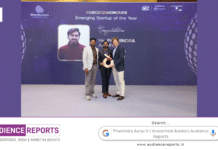


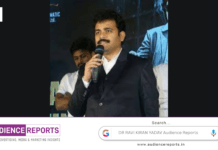














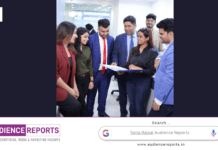















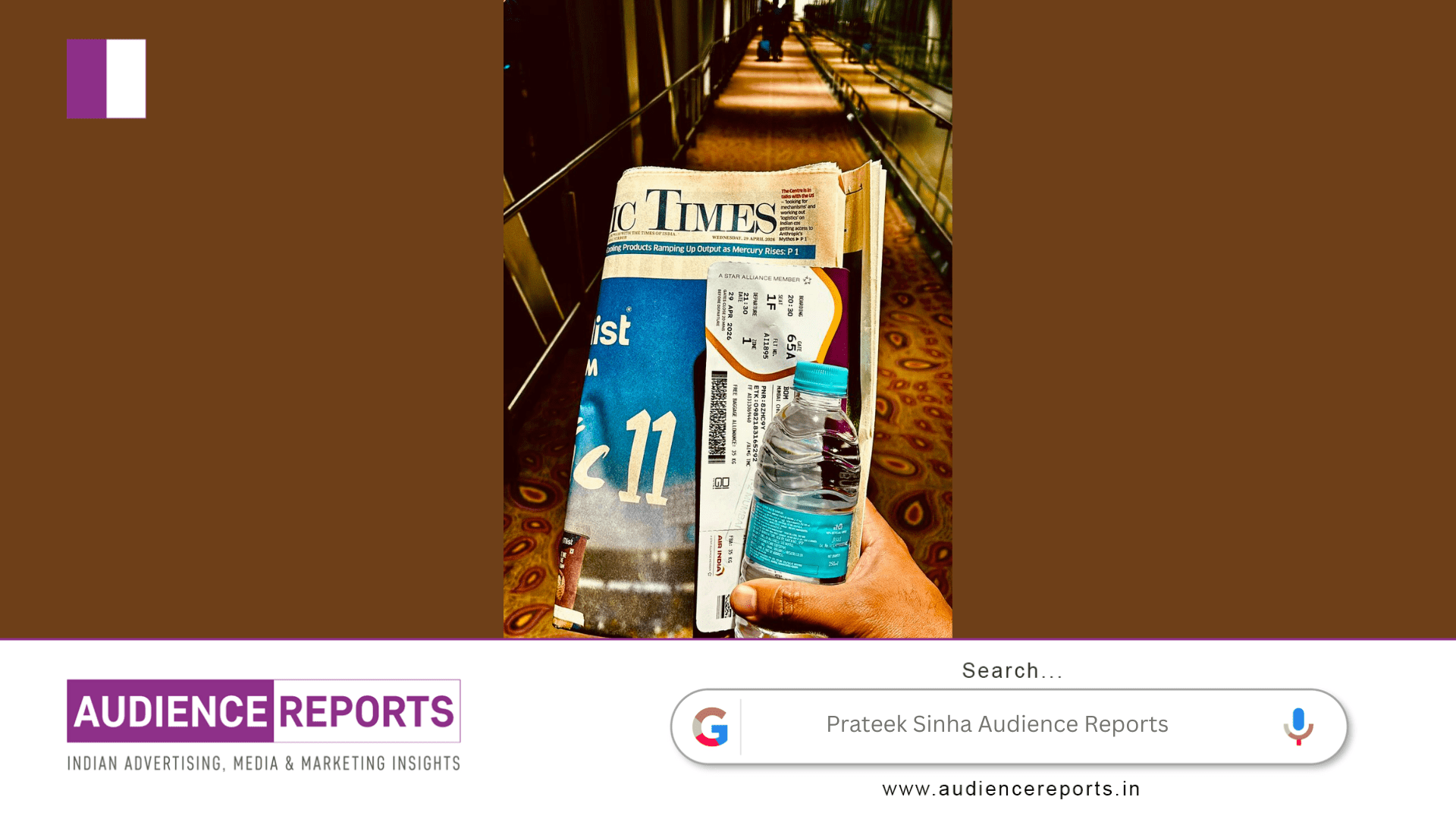
Prateek Sinha believes that leadership is tested most during moments of uncertainty, transition, and personal loss. In his recent reflections, Prateek Sinha shared not only insights from conversations with over 70 CMOs across India, but also a deeply personal reminder passed down from his father: “Keep looking ahead.” That phrase becomes the foundation of both the emotional and professional layers of Prateek Sinha’s message.
As Chief Executive Officer & Managing Partner at TheFifth.AI, Prateek Sinha operates at the intersection of marketing transformation, AI adoption, and business growth. His observations come at a time when brands are under pressure to grow faster while adapting to technologies that are changing every aspect of marketing execution. Yet what makes Prateek Sinha’s reflections meaningful is not just the business analysis, but the balance between professional momentum and personal resilience.
Prateek Sinha openly acknowledged the loss of his father earlier this year. Instead of turning the moment into sentimentality, Prateek Sinha connected grief with responsibility. The reminder to “keep looking ahead” becomes less of a motivational slogan and more of a practical philosophy for leaders navigating rapid change. That honesty gives weight to the rest of his observations.
One of the strongest insights shared by Prateek Sinha is the changing role of the modern CMO. Marketing leaders today are expected to manage growth, technology adoption, brand storytelling, performance metrics, and consumer behavior shifts simultaneously. According to Prateek Sinha, the CMO role has become both harder and more essential. Companies are no longer looking at marketing as a support function alone. Marketing now directly influences business direction, investor confidence, and long-term scalability.
Prateek Sinha also points out that AI adoption is no longer experimental for marketing teams. CMOs are not simply asking which tools to use. They are trying to determine which workflows should survive, which systems should evolve, and which legacy processes should be abandoned entirely. This distinction matters. Prateek Sinha highlights that the real competitive advantage lies in separating meaningful innovation from temporary noise.
Another important theme in the reflections of Prateek Sinha is the growing dissatisfaction with traditional agencies and consultants. Many established firms are struggling to adapt quickly enough to AI-driven expectations. As a result, businesses are increasingly partnering with agile, execution-focused firms that align directly with measurable growth outcomes. Prateek Sinha describes this shift as both an opportunity and a responsibility. The expectation is no longer limited to strategy presentations. Clients expect transformation that affects revenue, efficiency, and market positioning.
Creativity, according to Prateek Sinha, has entered a completely new phase. AI tools can now generate campaigns, visuals, and messaging within seconds. But abundance does not automatically create quality. Prateek Sinha argues that judgment has become the new premium skill. Teams must know how to brief effectively, refine outputs intelligently, and identify what truly aligns with a brand’s identity. In a world flooded with generated content, strategic restraint becomes as important as innovation itself.
Measurement is another area where Prateek Sinha sees major disruption. Traditional metrics are being questioned because AI-driven systems move faster than older measurement frameworks were designed to handle. Attribution models, creative effectiveness, and incrementality are all being reconsidered. Prateek Sinha emphasizes that businesses can no longer rely on outdated measurement logic while operating in accelerated AI environments.
The reflections shared by Prateek Sinha also reveal a larger shift in how companies think about growth. Businesses are increasingly moving away from isolated channel planning and toward profit-and-loss-focused decision making. Brand and performance marketing are no longer separate conversations. Instead, they are merging into unified growth systems where every investment must justify its long-term business value.
What stands out most in the perspective of Prateek Sinha is the absence of exaggerated certainty. Rather than claiming to have all the answers, Prateek Sinha acknowledges that the industry is evolving in real time. That honesty reflects the reality facing marketing leaders globally. AI is not simply adding new tools; it is redefining how decisions are made, how teams operate, and how growth is measured.
In the end, Prateek Sinha leaves readers with a message rooted in both experience and perspective. Industries will continue to evolve. Technologies will continue to disrupt established systems. Personal challenges will continue to test resilience. Yet progress depends on the ability to move forward with clarity and adaptability. For Prateek Sinha, “keep looking ahead” is not just advice from a father. It is becoming a mindset for modern leadership itself.