














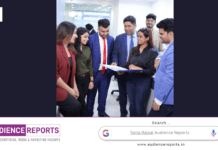
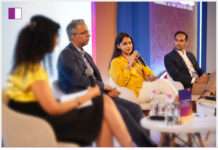

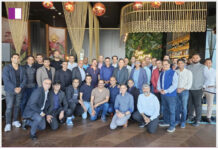









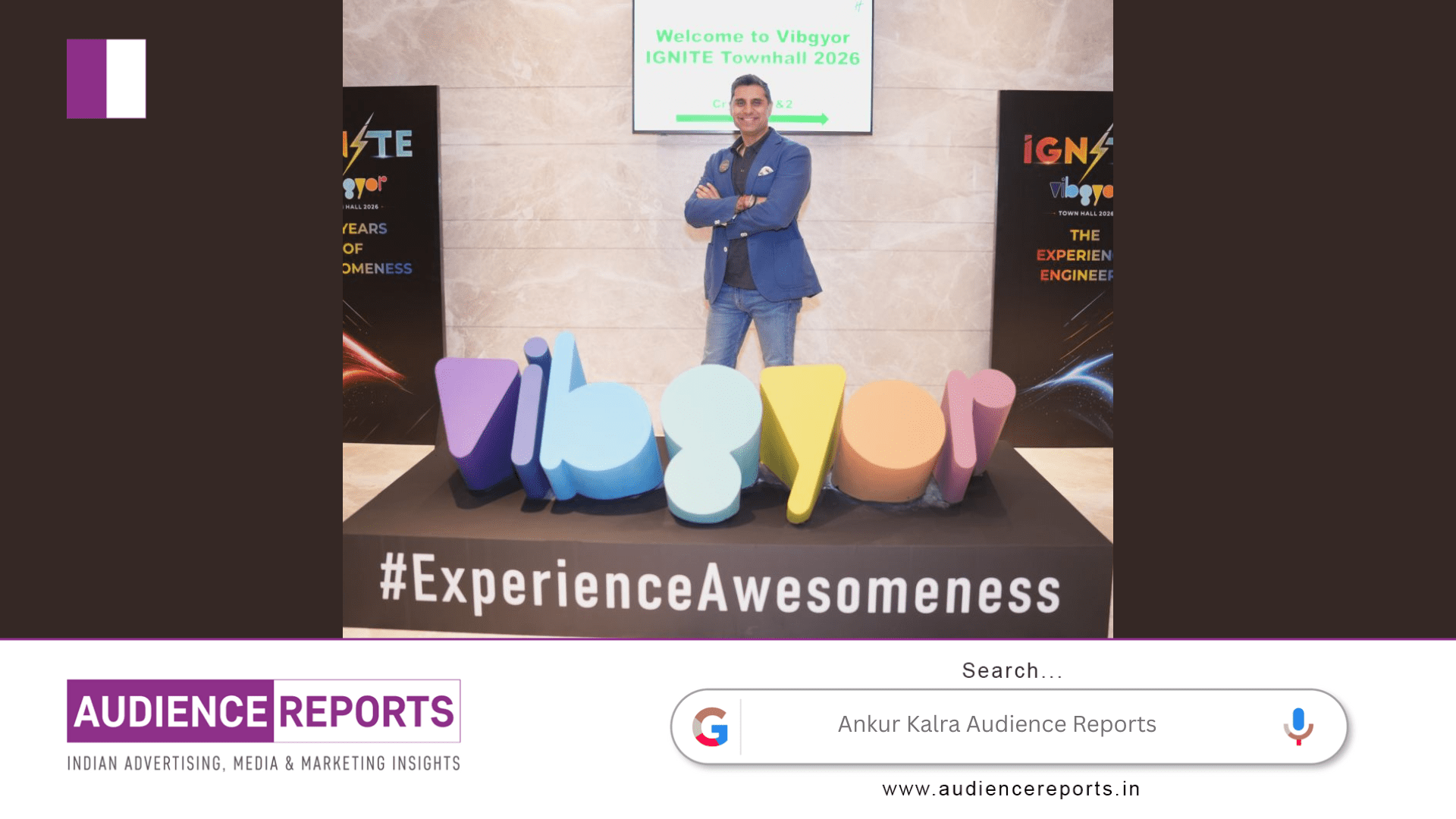
Ankur Kalra believes that strong organizations are not built through occasional motivation or short-term targets. They are built through consistent rituals, shared understanding, and a culture where every individual feels connected to the larger purpose. In his recent reflections on Vibgyor’s Annual Townhall, Ankur Kalra highlighted how a long-standing tradition can continue to energize a company even after 24 years of growth and change.
The event carried the theme “IGNITE,” but the message behind it extended beyond enthusiasm or celebration. Ankur Kalra emphasized that true energy inside an organization comes from clarity. Teams perform better when they understand not only their responsibilities but also the realities of the business. That is why the townhall focused deeply on transparency, financial understanding, cultural alignment, and strategic ownership.
One of the most meaningful aspects shared by Ankur Kalra was the decision to openly discuss the company’s Profit and Loss structure with the team. In many organizations, financial discussions remain limited to senior leadership. However, Ankur Kalra pointed out that when employees understand top-line growth, overheads, branch contributions, and operational realities, they stop behaving like outsiders and begin acting like owners.
This approach reflects an important shift in workplace culture today. Employees increasingly seek meaning and participation, not just tasks. Ankur Kalra demonstrated that transparency can create accountability naturally. When people know the numbers, they also understand the consequences of decisions, the importance of efficiency, and the value of collaboration.
Another significant idea from the townhall was the emphasis on culture and values. According to Ankur Kalra, organizations often focus heavily on expansion while unintentionally neglecting cultural continuity. As companies grow and new employees join, there is always a risk that the original spirit becomes diluted. That is why welcoming new members into the organizational culture was treated as an essential part of the event.
Ankur Kalra described how employees who joined within the last six months were introduced not just to the company structure but to the community itself. This distinction matters. A company can provide employment, but a community creates belonging. In modern professional environments, where burnout and disconnection are becoming common, culture plays a major role in employee retention and long-term engagement.
The strategic segment of the townhall also carried important lessons. Ankur Kalra shared how the future roadmap was presented with clarity and ambition. Rather than keeping strategy confined to leadership discussions, the organization ensured that employees across departments could understand where the company is heading. This helps align everyday actions with long-term goals.
Ankur Kalra also highlighted the contributions of department leaders who presented achievements and future plans. This element reflects another critical leadership principle: decentralization of ownership. Strong organizations cannot depend entirely on one central figure. Sustainable growth happens when leadership is distributed across departments and individuals are empowered to contribute actively.
The structure of the event itself reveals something important about organizational maturity. Ankur Kalra described a full-day engagement that balanced financial discussions, cultural conversations, strategic planning, departmental presentations, and employee recognition. Each component served a purpose. Numbers created awareness, strategy created direction, culture created connection, and awards created appreciation.
Recognition, in particular, remains a powerful tool in any workplace. Ankur Kalra ended the day with an awards ceremony celebrating team members who contributed significantly throughout the year. Recognition is often underestimated in professional spaces, but appreciation reinforces effort and motivates teams to continue improving. Employees who feel seen are more likely to remain committed and productive.
What stands out in the reflections shared by Ankur Kalra is the consistency of the ritual itself. The Annual Townhall has continued for 24 years. That continuity matters because rituals build identity. In fast-moving industries, where priorities constantly shift, recurring traditions help organizations maintain stability and collective focus.
Ankur Kalra also indirectly highlighted the importance of communication in leadership. Communication is not only about announcements or presentations. It is about creating understanding across all levels of an organization. Leaders who communicate openly reduce confusion, strengthen trust, and encourage participation. This becomes especially valuable during periods of expansion or uncertainty.
The idea of alignment appeared repeatedly throughout the reflections of Ankur Kalra. Alignment is often discussed in corporate language, but it has practical meaning. It means employees understand goals, leadership understands operational challenges, and departments work toward shared outcomes instead of isolated victories. Without alignment, growth becomes fragmented. With alignment, organizations move forward with greater confidence and efficiency.
Ankur Kalra also brought attention to the emotional energy that collective gatherings can generate. After years of digital communication, virtual meetings, and fragmented interactions, in-person organizational rituals carry renewed significance. They create moments where teams reconnect with purpose, celebrate achievements, and recharge for future challenges.
The message shared by Ankur Kalra ultimately goes beyond one event or one organization. It reflects a broader leadership philosophy centered on openness, inclusion, ownership, and long-term culture building. In an era where many workplaces struggle with disengagement and high turnover, these principles remain deeply relevant.
Ankur Kalra showed that organizations grow stronger when employees are trusted with information, connected through values, and recognized for their contributions. The success of a company is rarely driven by strategy alone. It is driven by people who believe they are part of something meaningful.
After 24 years, the continued energy described by Ankur Kalra is not accidental. It is the result of deliberate effort, consistent communication, and a culture that continues to evolve without losing its foundation.