
































Tanisha Kumari discovered during a series of MBA events that the most powerful lessons rarely come from textbooks alone. While academic frameworks provide structure, it is often real conversations with experienced professionals that sharpen understanding. Tanisha Kumari experienced this firsthand during two back-to-back panel discussions at Convergence, an initiative organized by Executive MBA students at DMS IIT Delhi. These sessions—one focused on strategy consulting and the other on finance in the digital era—became defining moments that pushed Tanisha Kumari to rethink how modern managers approach complex problems.
For Tanisha Kumari, the strategy consulting panel offered a deeper connection between classroom theories and the realities of business decision-making. Strategy often appears clean and structured when presented in case studies. However, hearing practitioners explain how strategies are debated, tested, and sometimes reshaped under pressure revealed the unpredictable side of leadership. Tanisha Kumari realized that effective strategy begins not with answers but with better questions. Identifying the real problem, structuring hypotheses, validating them with data, and communicating insights clearly are skills that cannot be learned through theory alone.
What stood out to Tanisha Kumari was how seasoned professionals approached uncertainty. They emphasized that strategies rarely remain fixed once they meet real market conditions. Instead, leaders must remain flexible, receptive to feedback, and ready to adapt their assumptions. Listening to these discussions encouraged Tanisha Kumari to reconsider how problems are framed and solved. Rather than rushing toward conclusions, the emphasis shifted toward structured thinking, active listening, and collaborative problem solving.
The second panel discussion, centered on Finance 4.0 and digital-era investing, added another important dimension to the experience. Tanisha Kumari observed how financial decision-making is increasingly influenced by technology, data, and digital transformation. Traditional financial models still matter, but they now operate in a landscape shaped by automation, advanced analytics, and rapidly evolving markets. For Tanisha Kumari, this discussion highlighted how finance and strategy are no longer separate disciplines but deeply interconnected forces shaping business outcomes.
Tanisha Kumari found it particularly interesting that digital innovation is changing how investors assess risk and opportunity. Financial decisions today rely not only on balance sheets but also on insights drawn from data platforms, algorithms, and real-time information. This shift challenges managers to think beyond conventional financial tools. For Tanisha Kumari, the conversation reinforced the idea that modern professionals must understand both strategic thinking and digital-driven financial analysis.
Beyond the technical insights, Tanisha Kumari also noticed something equally valuable: how professional forums shape personal confidence and communication skills. Watching experts explain complex ideas in a clear and engaging manner offered a practical lesson in leadership communication. Tanisha Kumari realized that the ability to present ideas simply, ask thoughtful questions, and respond to differing viewpoints is a skill that develops through observation and participation.
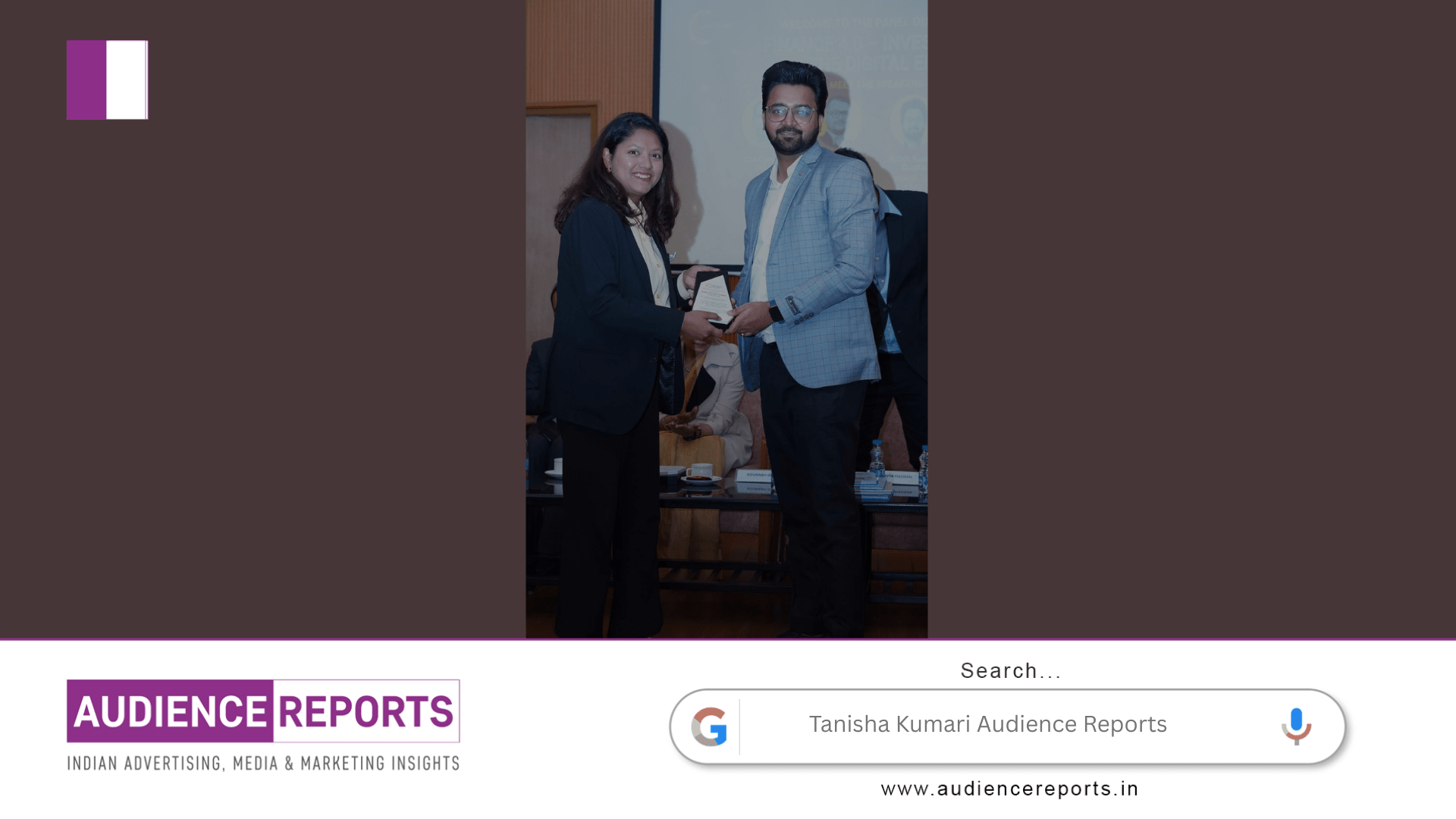
Another meaningful moment for Tanisha Kumari came through the opportunity to be part of the team felicitating two of the speakers during the event. Standing on stage and interacting with accomplished professionals offered a closer view of how experienced leaders conduct themselves. Tanisha Kumari observed that confidence often comes with humility. The speakers shared insights without exaggeration, answered questions thoughtfully, and treated every interaction with respect. For Tanisha Kumari, these subtle observations were as instructive as the formal discussions themselves.
Experiences like these remind students that professional growth often happens in unexpected moments. Tanisha Kumari saw that learning is not limited to lectures or assignments. Sometimes it happens in the pause between questions, the exchange of perspectives during a panel discussion, or the brief advice shared by a mentor after an event. These moments gradually influence how individuals think, communicate, and present themselves in professional settings.
For Tanisha Kumari, the Convergence discussions also demonstrated the value of interdisciplinary thinking. Strategy and finance may appear to belong to different areas of management, yet both shape each other in practical decision-making. Understanding strategic goals without considering financial realities can lead to unrealistic plans. Similarly, financial strategies without broader business context may overlook long-term opportunities. Tanisha Kumari came away with a stronger appreciation for how these disciplines interact.
What makes such experiences meaningful is not just the knowledge gained but the reflection that follows. Tanisha Kumari left the sessions thinking about how these lessons could influence future projects and collaborations. The discussions encouraged Tanisha Kumari to approach future challenges with more structure, curiosity, and awareness of the evolving business landscape.
Importantly, Tanisha Kumari also recognized that growth often comes from exposure to different viewpoints. Panel discussions bring together diverse perspectives, and listening to them helps students refine their own thinking. By observing how experts disagree respectfully, support arguments with evidence, and adjust their viewpoints, Tanisha Kumari gained a clearer picture of how professional dialogue should function.
In the end, Tanisha Kumari viewed the experience not as a highlight simply because of the event itself, but because of the mindset it encouraged. The discussions reinforced the importance of preparation, thoughtful questioning, and continuous learning. Tanisha Kumari carried away a renewed commitment to developing both analytical skills and communication abilities.
Events like these may last only a few hours, but their influence often extends much further. For Tanisha Kumari, the lessons from strategy consulting, digital-era finance, and professional interaction will likely continue shaping her perspective long after the event concluded. And as Tanisha Kumari moves forward in her career, these reflections will remain part of the foundation that guides future decisions and leadership growth.