






























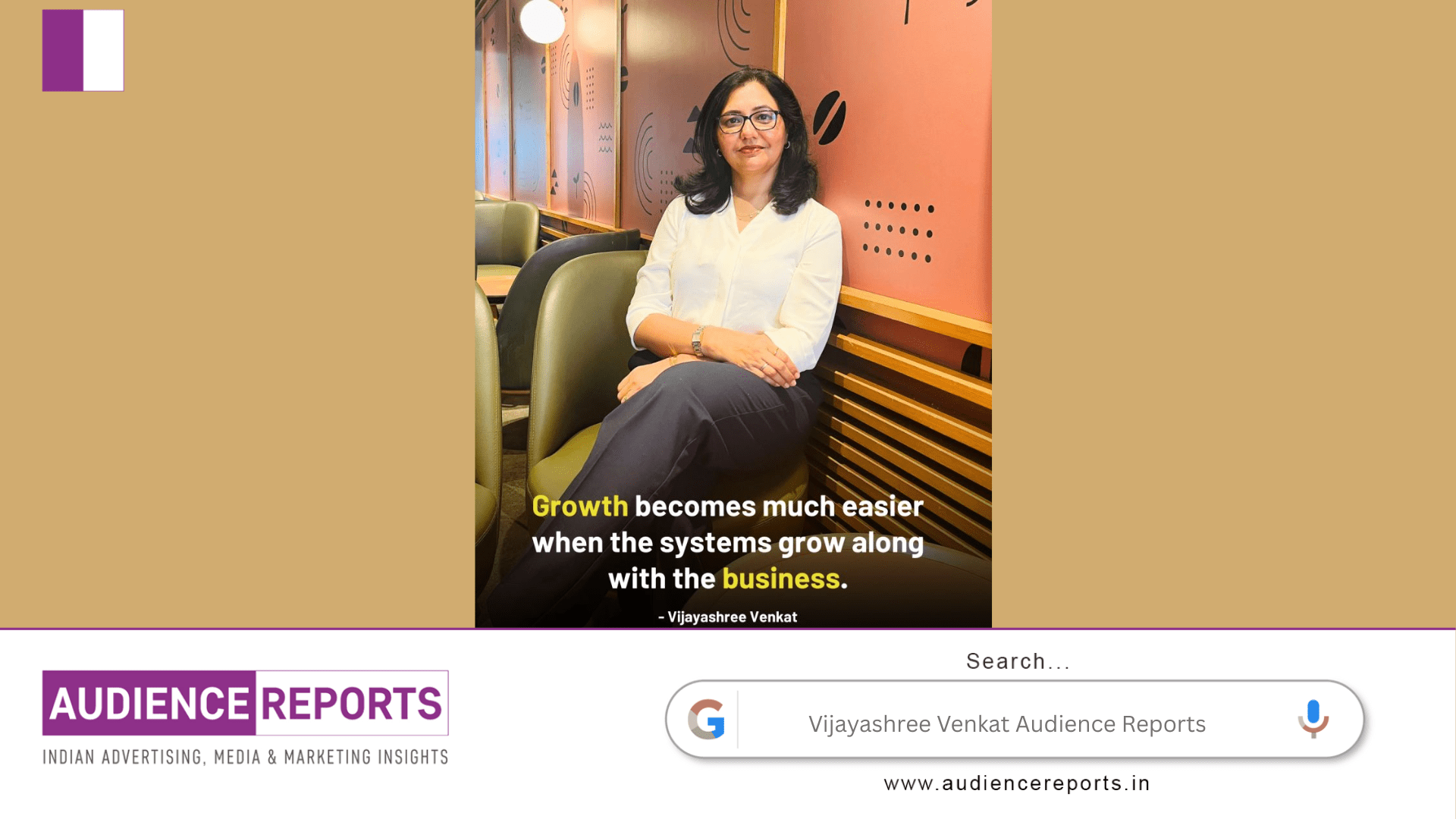
Vijayashree Venkat believes that some of the biggest organizational risks do not begin with financial losses, compliance notices, or legal disputes. They often begin with ordinary workplace conversations. In her LinkedIn post, Vijayashree Venkat, shares a simple but thought-provoking example where a founder mentioned placing an employee on a Performance Improvement Plan (PIP), only to be asked where that process was documented in the company’s policy manual. The silence that followed was not about disagreement, it reflected a missing system. Vijayashree Venkat, uses this scenario to remind organizations that rapid business growth must be supported by equally strong HR processes.
Every growing company experiences moments where informal practices that worked in the early days begin to show limitations. Startups often prioritize product development, customer acquisition, and scaling operations. During this phase, HR policies may remain unwritten because everyone communicates directly and decisions are made quickly. However, Vijayashree Venkat, points out that as organizations expand, these informal practices can become business risks if they are not documented and consistently followed.
The example of the Performance Improvement Plan illustrates this challenge perfectly. A founder may assume that a PIP is a standard workplace process. An employee, however, may reasonably expect that any performance-related action should be clearly described in the company’s policies. Neither side is necessarily wrong. The real issue lies in the absence of documented procedures. Vijayashree Venkat, emphasizes that unclear expectations often create confusion rather than accountability.
HR documentation is frequently viewed as administrative work, but it serves a much larger purpose. Well-defined policies help establish fairness, consistency, and transparency across the organization. Employees understand what is expected of them, while managers gain confidence that their decisions align with company guidelines. Vijayashree Venkat, highlights that every written process reduces ambiguity and builds trust between leadership and employees.
As businesses scale, consistency becomes increasingly important. When there are only five or ten employees, founders can personally explain every decision. With hundreds of employees spread across departments or locations, relying solely on verbal communication is no longer practical. Policies become the common language that connects everyone. Vijayashree Venkat, reminds leaders that documentation is not about creating unnecessary bureaucracy but about ensuring that every employee receives the same clarity.
An HR audit plays an important role in identifying these hidden gaps. Many organizations think audits exist only to verify legal compliance or employee records. In reality, they reveal whether everyday practices match official policies. Vijayashree Venkat, explains that an audit often uncovers inconsistencies that remain unnoticed during daily operations. These small inconsistencies, if ignored, can eventually lead to employee dissatisfaction, disputes, or reputational damage.
The value of an HR audit extends beyond compliance. It also improves operational efficiency. When policies are clearly defined, managers spend less time resolving misunderstandings. Employees know the appropriate channels for grievances, promotions, leave requests, performance reviews, and disciplinary actions. Vijayashree Venkat, demonstrates that preventive action is always more effective than reactive problem-solving.
Another important takeaway from the post is the importance of leadership awareness. Founders and senior leaders often carry assumptions from previous organizations or industry practices. However, unless those practices are officially adopted within the company, employees cannot be expected to follow them. Vijayashree Venkat, encourages leaders to ensure that organizational expectations are documented, communicated, and regularly updated as the company evolves.
Business growth introduces new complexities that require stronger governance. Hiring accelerates, reporting structures change, teams become more diverse, and regulations evolve. Policies that were sufficient two years ago may no longer address today’s workplace realities. Vijayashree Venkat, highlights that reviewing HR frameworks periodically allows organizations to remain aligned with both business goals and employee expectations.
Clear HR processes also contribute to a positive workplace culture. Employees are more confident when they understand how decisions are made. Transparency reduces uncertainty and creates an environment where performance discussions are based on documented criteria rather than personal opinions. Vijayashree Venkat, shows that trust grows when policies are accessible, understandable, and consistently implemented.
The scenario shared in the post also demonstrates the importance of asking questions. The employee’s response was not confrontational; it simply sought clarification. Organizations that encourage respectful questions create opportunities to improve systems before larger issues emerge. Vijayashree Venkat, reminds businesses that feedback often exposes areas where documentation or communication needs strengthening.
Technology has made HR management more efficient than ever, but digital tools alone cannot replace clear policies. HR software can automate workflows, maintain employee records, and track performance, yet the quality of these systems depends on the processes behind them. Vijayashree Venkat, reinforces that technology works best when supported by thoughtful governance and well-defined organizational standards.
Regular policy reviews should become part of every company’s growth strategy. New laws, hybrid work models, evolving employee expectations, and changing business priorities require continuous updates. Organizations that review their HR policies proactively are better prepared to manage change with confidence. Vijayashree Venkat, encourages leaders to see HR documentation as a strategic investment rather than a compliance obligation.
Ultimately, the lesson from this LinkedIn post is simple yet significant. A single conversation exposed a gap that could have created unnecessary risk for the organization. Instead of viewing such moments as isolated incidents, companies can use them as opportunities to strengthen their systems. Vijayashree Venkat, demonstrates that sustainable business success depends not only on innovation and growth but also on the clarity of the processes that guide people every day. By conducting regular HR audits, documenting essential policies, and communicating expectations transparently, organizations can transform everyday conversations into stronger governance, greater trust, and long-term business resilience.