
























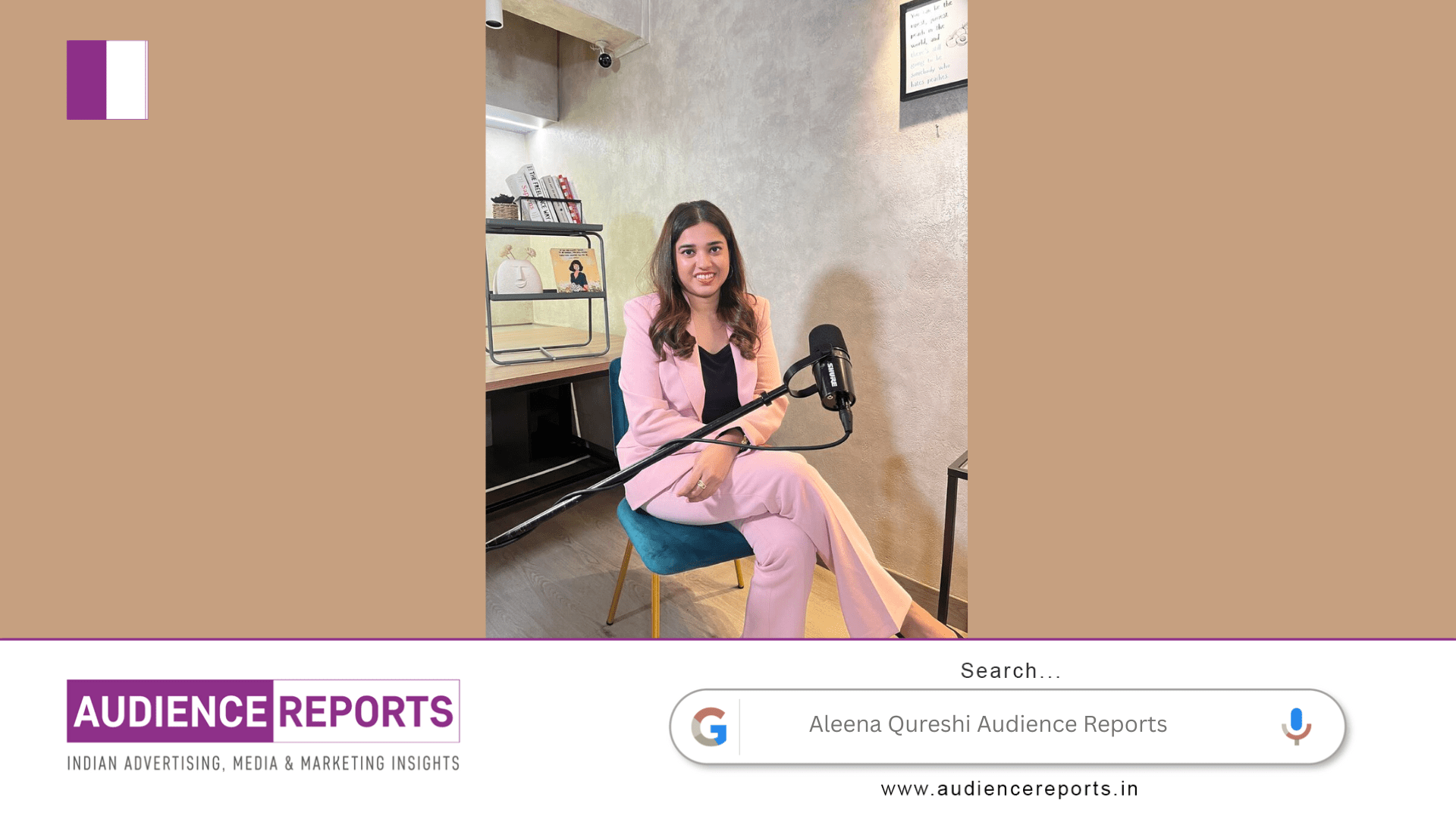
Aleena Qureshi is Chief Executive Officer at Social Media Dissect, and her recent LinkedIn post raises an important discussion about how audiences consume media today. Instead of debating whether radio is alive or dead, she encourages readers to focus on something much more meaningful, the evolution of consumer behavior. Aleena Qureshi explains that the time once reserved for radio has not disappeared; it has simply shifted to podcasts, music streaming platforms, and online video content. This perspective reminds businesses, marketers, and creators that adapting to changing habits is more important than defending traditional formats.
The statement “Radio is dying” naturally attracted strong reactions because it challenged a familiar medium that many people still value. Aleena Qureshi shared that the post even resulted in a legal notice, demonstrating how conversations around established industries can become emotional and controversial. Yet, beyond the headline, the central message remained focused on understanding audience behavior rather than criticizing radio itself.
For decades, radio was deeply integrated into everyday life. Whether someone was commuting, shopping, or working, radio often played in the background without requiring an active choice. It served as a constant companion during daily routines. Aleena Qureshi points out that this convenience gave radio a unique advantage because it naturally occupied people’s attention during moments that required little decision-making.
Technology, however, has transformed those same moments. Today, smartphones accompany people almost everywhere. During a commute, users may continue listening to a podcast they paused the previous day, stream personalized playlists, or watch content on video platforms. The available time has remained constant, but the options competing for attention have expanded dramatically. Aleena Qureshi emphasizes that this shift reflects changing habits rather than the disappearance of listening itself.
This observation offers valuable lessons beyond the media industry. Every organization that interacts with customers should regularly ask where consumer attention is moving. Markets evolve because people’s preferences evolve. Businesses that continue relying solely on traditional methods may gradually lose relevance, not because their products suddenly become ineffective, but because consumer expectations have changed.
One of the most interesting aspects of Aleena Qureshi’s post was the range of responses it generated. Some readers agreed that digital platforms have fundamentally changed listening habits. Others argued that excessive advertising and frequent interruptions made radio less enjoyable, encouraging audiences to seek alternatives with greater control and fewer disruptions.
Both viewpoints contribute to a broader understanding of consumer behavior. Technological advancement certainly creates new possibilities, but user experience also plays a major role in determining which platforms succeed. Aleena Qureshi highlights that businesses should pay close attention to these shifts instead of viewing them as isolated opinions.
The rise of podcasts illustrates this transition perfectly. Podcasts allow listeners to choose topics that match their interests, pause whenever necessary, and continue exactly where they stopped. Streaming platforms provide personalized recommendations based on previous listening habits. Video platforms offer educational content, entertainment, interviews, and tutorials on demand. These features align closely with modern expectations of flexibility and personalization.
This does not necessarily mean that radio has become irrelevant. In many regions, radio continues to provide local news, emergency updates, entertainment, and community engagement. It remains valuable in situations where internet connectivity is limited or where audiences still prefer traditional broadcasting. Aleena Qureshi does not argue against radio’s existence. Instead, her perspective encourages people to recognize that consumer choices now extend far beyond a single medium.
The broader lesson applies equally to marketing strategies. Companies often invest heavily in platforms that performed well in the past while overlooking where audiences currently spend their time. Successful marketing begins with understanding customers rather than becoming attached to specific channels. Aleena Qureshi reminds professionals that consumer attention constantly shifts, requiring continuous observation and adaptation.
Content creators face similar challenges. Producing excellent content is important, but distributing it through the right channels is equally critical. Audiences increasingly expect personalized experiences, convenient access, and the ability to engage whenever they choose. Businesses that understand these expectations can build stronger relationships with their communities.
Another meaningful point from Aleena Qureshi – ‘s post is the importance of encouraging discussion. The divided opinions demonstrated that meaningful conversations often emerge from bold observations. Constructive disagreement helps industries examine changing realities rather than remaining comfortable with outdated assumptions. Listening carefully to differing perspectives often reveals valuable insights into customer expectations.
Every communication platform experiences periods of transformation. Newspapers adapted to digital publishing. Television expanded into streaming services. Music transitioned from physical collections to digital libraries. Social media continues to evolve with changing user preferences. Aleena Qureshi reminds us that these transformations are not signs of failure but examples of industries responding to changing consumer behavior.
Leaders who monitor behavioral trends instead of relying exclusively on historical success are generally better positioned to respond to future opportunities. They recognize that innovation often begins by observing how customers naturally adapt to new technologies. Businesses that remain curious about evolving habits are more likely to remain relevant over time.
Ultimately, Aleena Qureshi presents an important reminder for marketers, entrepreneurs, media professionals, and business leaders. Rather than asking whether a platform is alive or dead, the more valuable question is whether we understand how people consume information today. Attention has not disappeared, it has simply moved toward experiences that offer greater convenience, personalization, and control.
As digital technology continues to reshape everyday routines, organizations must continually reassess where audiences spend their time and why. Aleena Qureshi encourages readers to view change through the lens of consumer behavior rather than nostalgia. Her perspective demonstrates that sustainable growth depends less on protecting established systems and more on understanding how evolving habits influence the future of communication.