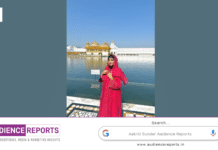






















Aakriti Sunder, Founder of De Novoo, shares a thoughtful reflection on her experience at the Golden Temple, reminding us that sometimes the most meaningful moments in life happen when we stop rushing. In a world where people are constantly thinking about their next responsibility, meeting, destination, or deadline, taking a moment to simply exist can feel like a rare luxury. Her experience highlights the importance of slowing down, observing our surroundings, and appreciating the present without feeling the need to move forward immediately.
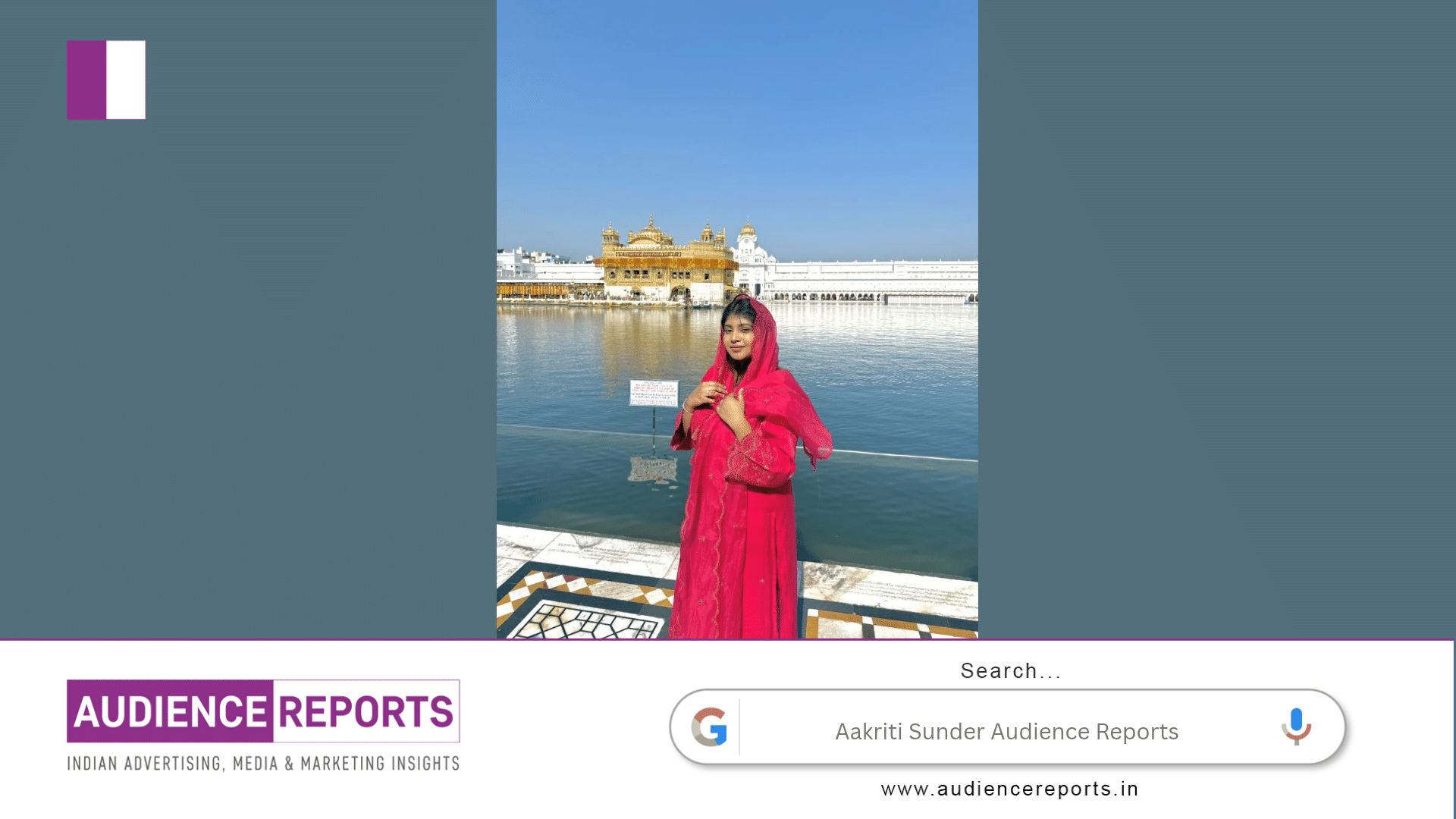
Aakriti Sunder describes being at the Golden Temple without any urgency to leave. There were people walking with their families, visitors sitting beside the sarovar, and the continuous sound of kirtan creating a peaceful atmosphere. Rather than treating the visit as another destination to cover, she allowed herself to experience everything around her. This simple decision made the moment more meaningful.
Her reflection carries an important message: we do not always have to be occupied to make our time valuable. Sometimes, doing nothing in particular can become one of the most rewarding experiences. Modern life encourages people to measure their days through productivity, completed tasks, and achievements. However, not every valuable moment needs to produce a measurable result.
For Aakriti Sunder, the sunlight falling on the Golden Temple and its reflection in the water became the centre of her attention. She found herself repeatedly looking at the beautiful scene. It was not an extraordinary activity, but it offered something that everyday routines often take away: the opportunity to pay attention.
This observation reminds us that appreciation begins when we become present. Beautiful places, meaningful conversations, and ordinary experiences can easily pass unnoticed when our minds are occupied with what comes next. We may physically be somewhere, but mentally, we are already preparing for another destination. Aakriti Sunder’s experience encourages us to bring our attention back to where we actually are.
Another interesting aspect of her post is the feeling of being surrounded by people while still enjoying personal space. The Golden Temple was filled with visitors, families, and individuals following their own routines. Yet, she found an opportunity to spend time with herself. This reflects an important balance between social connection and personal reflection.
Being alone does not necessarily mean being physically isolated. Sometimes, we can find personal space even in a crowded environment. We can listen to the sounds around us, observe different people, and allow our thoughts to move freely without needing constant interaction. Aakriti Sunder’s experience shows how meaningful such moments can become when we give ourselves permission to enjoy them.
Her words also reveal something familiar about the way most people approach travel and everyday activities. Even when visiting a beautiful location, our minds often remain occupied with schedules. We think about the next place to visit, the time required to reach there, the photographs we need to take, or the responsibilities waiting after we return.
This habit can prevent us from fully experiencing the places we visit. Instead of enjoying the journey, we become focused on completing it. Aakriti Sunder recognised this pattern in herself when she mentioned that she usually thinks about where to go next, even while standing somewhere beautiful. At the Golden Temple, however, she chose a different approach. She allowed the rest of the day to wait.
That decision is worth reflecting on. Life will always offer another task, another appointment, another plan, and another responsibility. There will rarely be a perfect moment when everything is finished and we have nothing left to do. If we wait for that moment to enjoy life, we may miss many experiences along the way.
Aakriti Sunder’s reflection also introduces the idea of sukoon, a feeling of deep comfort, calmness, and inner peace that is sometimes difficult to explain. It is not necessarily connected to having everything under control or solving every problem. It can come from being in an environment where we feel comfortable enough to stop thinking about everything that demands our attention.
The Golden Temple, with its spiritual atmosphere, peaceful surroundings, and continuous kirtan, offered her that experience. What makes her reflection meaningful is that she does not attempt to describe the feeling through complicated language. She simply acknowledges that she experienced a sense of peace that words could not fully capture.
For Aakriti Sunder, the experience was not about visiting a famous landmark or checking another destination off a travel list. It was about allowing herself to stay, observe, listen, and enjoy the present. This distinction changes the way we understand meaningful travel. The value of a journey is not always determined by the number of places we visit but by how deeply we experience them.
There is also a broader lesson here for people navigating demanding professional and personal lives. Ambition, responsibilities, and long-term goals are important, but they should not completely occupy our attention. Continuous movement without reflection can make even our achievements feel routine. Taking a pause gives us an opportunity to recognise what matters beyond our daily schedules.
Aakriti Sunder’s post does not suggest that we should abandon our responsibilities or stop planning for the future. Instead, it reminds us that the present deserves attention too. We can work towards our goals while also making room for experiences that do not require planning, performance, or productivity.
Her final wish, that everyone should have somewhere they feel equally at ease, makes the reflection more universal. That place may be a spiritual destination, a quiet beach, a familiar street, a favourite room, or simply a place where we can sit without watching the clock.
Ultimately, Aakriti Sunder’s experience at the Golden Temple reminds us that peace is sometimes found not by adding more activities to our lives but by removing the urgency to do everything immediately. We spend so much time preparing for the next moment that we often forget to appreciate the one we are already living.
Perhaps the greatest takeaway from Aakriti Sunder’s reflection is simple: not every beautiful moment needs to be captured, scheduled, or followed by another experience. Some moments deserve to be lived slowly. Sometimes, the best thing we can do is stay a little longer, listen a little more, and allow the rest of the day to wait.