

































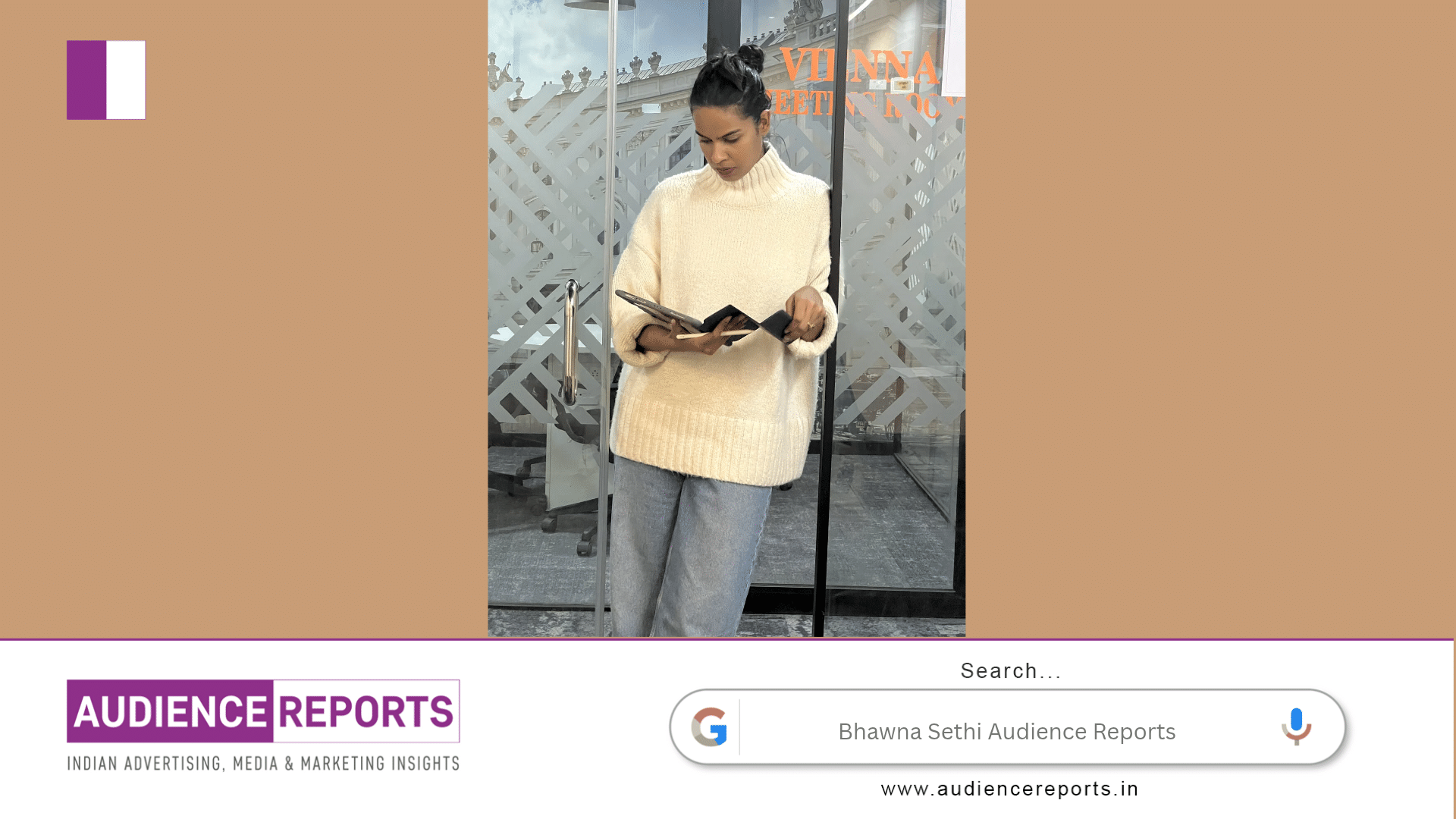
Bhawna Sethi, Founder at LetsInfluence, highlights an important decision that brands face when planning their influencer marketing campaigns: should they invest ₹10 lakh in two celebrities or distribute the same budget among 50 micro-creators? While both approaches can generate visibility and engagement, the real question is what a brand expects to achieve from its investment. Influencer marketing is not simply about choosing popular faces or working with a larger number of creators. It is about understanding audiences, setting measurable objectives, and allocating resources strategically.
Bhawna Sethi’s perspective brings attention to a common mistake in marketing: assuming that a bigger audience automatically delivers better results. Brands often associate celebrity partnerships with success because celebrities can introduce products to millions of people within a short period. Their popularity can create immediate awareness and help establish a strong connection between a brand and a familiar personality. However, visibility alone does not guarantee that people will remember the product, develop an interest in it, or eventually make a purchase.
For campaigns that aim to generate mass awareness, celebrity collaborations can be valuable. Two well-known personalities may provide a brand with significant exposure and recognition. Their existing influence can help businesses enter competitive markets, introduce new products, or strengthen their positioning. Bhawna Sethi points out that brands should consider this approach when speed and broad visibility are the primary objectives. However, marketers must also account for production expenses, content creation requirements, and usage rights, which can increase the overall campaign investment.
On the other hand, working with 50 micro-creators offers a different kind of opportunity. Instead of depending on a small number of personalities with large audiences, brands can connect with multiple communities through creators who understand their specific interests and preferences. A fitness creator, a beauty enthusiast, a technology reviewer, and a lifestyle influencer may all communicate with different audience segments. This diversity allows brands to present their products through different perspectives.
Bhawna Sethi highlights that micro-creators can help businesses develop more relatable product stories. Their content may feel closer to everyday experiences, making it easier for audiences to understand how a product fits into their lives. Rather than delivering one broad message, a brand can explore several creative approaches and identify which ones generate stronger responses.
However, choosing 50 micro-creators is not automatically a more effective or economical decision. Managing a large group requires careful planning, communication, content reviews, deadlines, and consistent brand messaging. There is also a possibility of audience overlap, where several creators reach similar groups of people. Without proper research, brands may spend their budgets repeatedly reaching the same audience instead of expanding their market.
This is where Bhawna Sethi’s approach becomes particularly relevant. She encourages businesses to look beyond the number of influencers and evaluate the actual outcomes they can achieve. A campaign involving multiple creators needs a clear structure, just as a celebrity campaign requires a well-defined objective. The number of collaborations should never become the primary measure of success.
Another important consideration is the value of content beyond the initial campaign. Influencer marketing can produce assets that brands may use in advertisements, social media promotions, and other marketing activities. For this purpose, creators who can produce different content formats and communicate product benefits effectively may offer additional value. However, businesses must negotiate usage rights in advance rather than assuming that influencer content can automatically be reused.
Bhawna Sethi draws attention to this often-overlooked aspect of campaign budgeting. The cost of influencer marketing does not end with paying creators. Brands must also consider content production, coordination, quality control, and paid amplification. A campaign that appears affordable at the beginning may require additional spending to achieve its intended reach and performance.
When conversions are the main objective, measurement becomes even more important. Likes, comments, views, and follower counts can provide useful information, but they do not independently establish whether a campaign has generated business results. Brands need to identify meaningful performance indicators, such as website visits, enquiries, leads, purchases, and customer acquisition costs.
Bhawna Sethi’s recommendation to test creators against clear tracking and purchase metrics before scaling is an important lesson for businesses. Instead of committing the entire budget immediately, marketers can begin with smaller experiments. They can compare different creators, evaluate audience responses, examine content performance, and identify which partnerships contribute to the campaign’s objectives.
This approach reduces unnecessary spending and creates opportunities for better decisions. If certain creators consistently attract relevant audiences and generate enquiries or purchases, brands can increase their investment in those partnerships. If a campaign receives considerable attention but produces limited business results, marketers can reconsider the content strategy, audience selection, or promotional approach.
There is also a strong case for combining celebrity and micro-creator collaborations. A hybrid strategy allows brands to use celebrities for large-scale visibility while engaging micro-creators to develop deeper connections with specific audience groups. The celebrity campaign can introduce the brand to a wider market, while micro-creators can demonstrate product experiences, answer audience questions, and provide different forms of social proof.
Bhawna Sethi suggests that this combination can offer a practical balance between reach and performance. Rather than treating celebrities and micro-creators as competing options, businesses can assign each category a specific role within the overall marketing strategy. The right distribution depends on the brand’s objectives, audience, industry, and available resources.
Ultimately, the ₹10 lakh question is not about whether two celebrities are better than 50 micro-creators. It is about understanding what the business needs from its marketing investment. A brand launching a new product may prioritise awareness, while an established business may focus on conversions or customer acquisition. Each objective requires a different combination of creators, content, and measurement.
Through her observations, Bhawna Sethi encourages marketers to approach influencer campaigns with greater clarity and accountability. Her central message is that successful marketing decisions should be based on expected outcomes rather than impressive numbers. The smartest campaign is not necessarily the one with the most famous personalities or the highest number of collaborations.
For businesses, the real opportunity lies in understanding their audiences, testing different approaches, measuring results, and improving their decisions over time. Bhawna Sethi’s perspective reinforces an important principle: marketing budgets should be invested where they create meaningful value.
In an industry where reach and engagement often dominate conversations, brands must learn to ask better questions. Who are we trying to reach? What action do we want them to take? How will we measure success? And which creators can help us achieve that outcome?
When these questions guide the strategy, influencer marketing becomes more than a promotional activity. It becomes a structured investment in brand awareness, audience relationships, content development, and business growth.