
































Ahana Gautam’s recent reflection on energy management offers a useful perspective on a challenge many leaders quietly face: being productive is not only about managing hours, but also about managing the physical and mental capacity available during those hours. In a professional world that often celebrates packed calendars, long working days, and constant availability, Ahana Gautam points toward a different question: how effectively can a person sustain their energy throughout the day?
For Ahana Gautam, the distinction between time management and energy management is important. Time is limited and measurable, but energy determines how effectively that time is used. A person may have several hours available, yet if concentration, patience, physical vitality, or decision-making ability have declined, those hours may not produce meaningful results. Ahana Gautam’s post therefore shifts attention from simply asking how much work gets done to asking what condition a person is in while doing it.
The idea becomes particularly relevant for leaders. Leadership requires more than completing individual tasks. It involves making decisions, communicating clearly, responding to problems, supporting teams, and maintaining perspective when circumstances become difficult. Ahana Gautam’s emphasis on being able to show up with consistency throughout the day highlights the importance of having enough energy for these responsibilities.
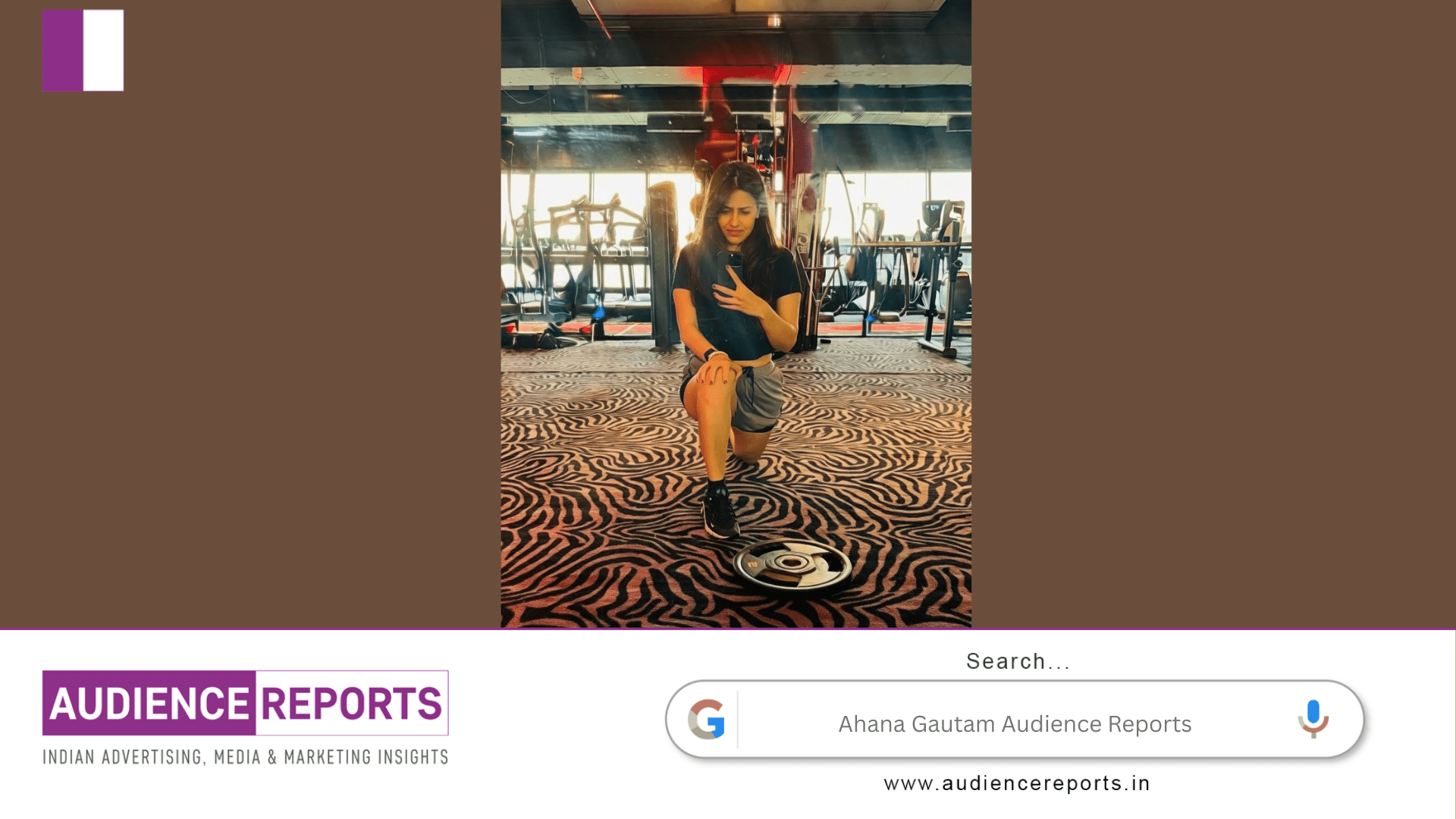
Her approach begins with movement. Strength training twice a week, cardio twice a week, and a daily target of 10,000 steps create a straightforward structure rather than an unnecessarily complicated fitness routine. Ahana Gautam also identifies VO2 max as a key metric, showing an interest in measuring cardiovascular capacity rather than focusing exclusively on appearance.
That distinction matters. Fitness can easily become associated with aesthetics, weight, or visible transformation. Ahana Gautam frames her objective differently: the purpose is sustained energy. This makes the routine less about looking fit and more about building physical capacity that can support everyday performance. For professionals spending long periods at desks, deliberately introducing movement can also become a practical counterbalance to sedentary work.
Food is the second part of Ahana Gautam’s framework. Her focus on protein, reducing highly processed or unhealthy food, and avoiding food after 7 p.m. reflects an attempt to create predictable eating habits. Whether every individual should follow exactly the same schedule is another question; nutritional needs vary considerably from person to person. But the broader principle is useful: sustainable energy is influenced by daily choices, and consistency often matters more than complicated rules.
The third component is recovery. Ahana Gautam places consistent sleep and a minimum of 7.5 hours at the center of her routine. This may be one of the simplest parts of the message, but it is also one of the easiest to overlook in ambitious professional environments.
Sleep is often treated as something that can be sacrificed when work becomes demanding. Yet a leadership role requires cognitive clarity, emotional regulation, and sound judgment. Treating recovery as a requirement rather than a reward challenges the assumption that working longer automatically means performing better. Ahana Gautam’s framework suggests that rest is not necessarily the opposite of ambition; it can be part of maintaining the capacity required for ambition.
Another interesting element of Ahana Gautam’s post is her willingness to make the process public. By saying she is making herself accountable, she turns a private intention into a visible commitment. Public accountability does not guarantee consistency, but it can create an additional reason to follow through when motivation declines.
At the same time, the post does not present energy management as a finished formula. Ahana Gautam openly says she needs to “level up” and asks others what is working for them. That openness makes the idea more practical. There is no single routine that will work identically for every leader. Exercise preferences, work schedules, dietary requirements, sleep patterns, and recovery needs differ.
The deeper lesson from Ahana Gautam is therefore not that every professional should copy her exact fitness schedule. It is that leaders should understand their own energy patterns and deliberately protect the habits that sustain them.
For someone building a company, managing a team, or handling demanding responsibilities, the ability to remain effective at the end of the day can be more valuable than simply starting the day early. Ahana Gautam’s question about whether we are the same person at 9 p.m. as we were at 9 a.m. captures this challenge clearly.
Energy management ultimately asks for a shift in mindset. Instead of treating the body as something separate from professional performance, it recognizes that physical health, recovery, concentration, and leadership are interconnected. Ahana Gautam’s routine is one personal experiment in that direction.
The most useful takeaway from Ahana Gautam’s post may be simple: productivity should not only be measured by how much we can accomplish when our energy is high. It should also be measured by whether we can build a life and working rhythm that allows meaningful performance to continue consistently. For leaders, that is less about chasing endless energy and more about learning how to protect, replenish, and direct the energy they already have.