


















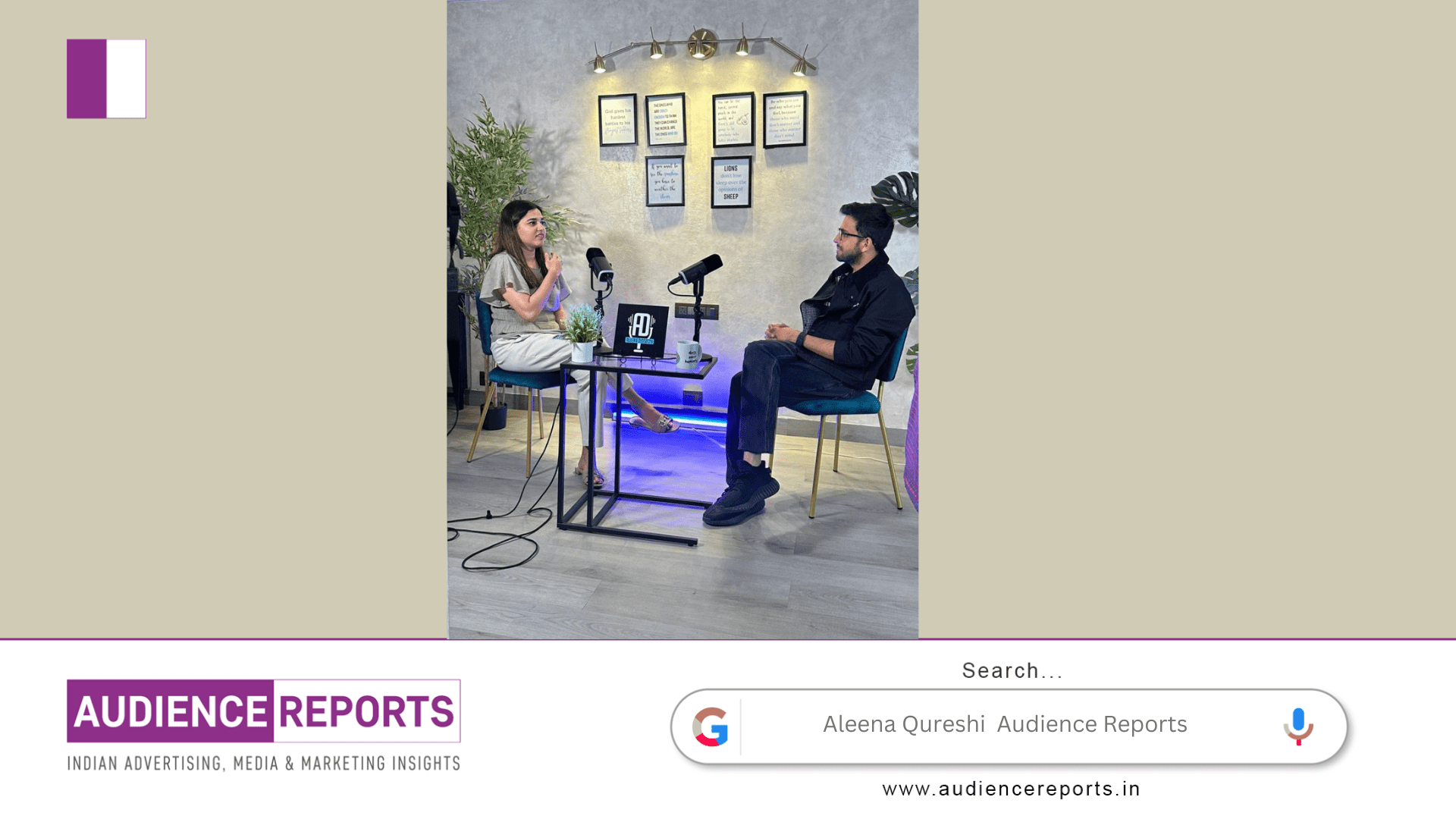
Aleena Qureshi writes about a side of professional life that is rarely visible on social media: the moments when personal hardship collides with public responsibility. Her reflection on recording podcast episodes during hospital visits, grief, illness, and emotional exhaustion is not a story about perfection. It is a story about presence.
We often consume podcasts, videos, presentations, and meetings as finished products. The host sounds composed. The conversation flows naturally. The final edit gives the impression that everything unfolded smoothly. What remains hidden is the emotional weather surrounding the moment.
Aleena Qureshireminds us that meaningful work is frequently created in imperfect circumstances. A recording session may happen after a difficult phone call, during a family emergency, or on a day when motivation is nearly absent. Yet the audience usually sees only the polished outcome.
This gap between appearance and reality matters because it challenges a common myth: that professionalism requires ideal conditions. In practice, many professionals do their best work while carrying unseen burdens.
The most striking idea in Aleena Qureshi’s post is not endurance alone. It is the decision to become fully present for another person despite personal turmoil.
Podcasting is built on attention. A guest offers their story, expertise, and vulnerability. In return, the host owes them genuine listening. If the host is distracted by private worries, the conversation loses depth. Follow-up questions disappear. Emotional nuance is missed. The guest feels unheard.
Aleena Qureshiframes professionalism as the ability to pause one’s own inner noise long enough to honor someone else’s voice. That is a demanding skill. It requires emotional discipline, empathy, and concentration.
This idea extends far beyond podcasting. Teachers, doctors, managers, lawyers, designers, customer support agents, and parents all face versions of the same challenge: showing up for others while life is complicated behind the scenes.
There is an important distinction in Aleena Qureshi’s reflection. She does not say that problems disappear. She says they have to wait.
That difference matters. Healthy professionalism is not pretending to be unaffected by life. It is temporarily creating space to fulfill a responsibility well. The grief, anxiety, or exhaustion remains real. But for a defined period, attention is directed outward.
Aleena Qureshiavoids the trap of glorifying burnout. Her message is not “ignore your emotions forever.” It is “be intentional about where your focus goes in the moment.” After the recording ends, the personal reality still deserves care, support, and processing.
This balanced view is essential in a culture that sometimes confuses resilience with constant self-sacrifice.
Another insight from Aleena Qureshi’s post is quietly profound: some of her best conversations happened on the hardest days.
Why might that be true? Difficult experiences can sharpen empathy. They can make a person listen more carefully, ask more meaningful questions, and connect more honestly. When someone has recently confronted uncertainty or loss, they may become more attentive to the humanity in another person’s story.
Aleena Qureshisuggests that vulnerability, even when not publicly displayed, can deepen the quality of our engagement with others. Hardship does not automatically improve work, but it can expand emotional awareness.
Modern work culture often celebrates outcomes: the successful episode, the presentation, the launch, the deal. Less attention is given to the invisible effort required to maintain quality under pressure.
Aleena Qureshipulls back the curtain on that hidden labor. Showing up while grieving. Staying attentive while physically unwell. Creating space for another person’s story while your own mind is crowded with worry. These moments rarely appear on résumés, yet they are central to sustained professional trust.
Her reflection also invites more compassion toward others. The colleague who seems quiet in a meeting, the creator who still publishes consistently, the friend who responds thoughtfully despite a difficult season, each may be carrying something unseen.
At the end of her post, Aleena Qureshi writes that “we’re all carrying things nobody can see. And somehow, we show up anyway.” That line resonates because it captures a universal experience.
Meaningful work is rarely produced under perfectly calm conditions. Life continues while deadlines arrive, conversations happen, and responsibilities remain. The goal is not to become invulnerable. The goal is to cultivate enough steadiness to be present where we are needed.
Aleena Qureshioffers a practical and humane definition of professionalism: not the absence of struggle, but the ability to honor commitments with care even when struggle exists.
Her reflection leaves us with several practical reminders:
- Attention is a form of respect. Whether in a podcast, meeting, or conversation, being fully present tells the other person that their story matters.
- Personal difficulty does not erase professional responsibility. But responsibility also does not erase the need for self-care afterward. Both realities can coexist.
- Consistency is often built quietly. Many people maintain high standards while navigating challenges that are invisible to others.
- Compassion should extend outward and inward. Recognize that others may be carrying unseen burdens, and allow yourself the same understanding.
Aleena Qureshicaptures something deeply human about work and presence. We do not always get to choose the timing of illness, loss, anxiety, or difficult days. But we do have choices about how we meet the moments that follow.
Sometimes professionalism looks dramatic. More often, it looks quiet: taking a breath, focusing on the person in front of you, and giving the next hour your full attention.
That quiet discipline is easier to admire from a distance than to practice in real life. Yet it is one of the clearest signs of respect, resilience, and meaningful work.