





























Meenakshi Vaithianathan sees fashion not simply as a way of dressing, but as a way of reinterpreting stories. Her recent reflection on Indian fabrics highlights an important idea: tradition does not have to remain confined to traditional forms. For Meenakshi Vaithianathan, the beauty of Indian textiles lies not only in their history, but also in their ability to evolve.
Meenakshi Vaithianathan’s appreciation for Indian fabrics begins with their depth. Every textile can carry the identity of a region, the skill of its artisans, and generations of cultural knowledge. Yet Meenakshi Vaithianathan does not suggest that respecting this heritage means repeating the same silhouettes or styling conventions. Instead, she explores what happens when familiar fabrics are placed in unfamiliar contexts.
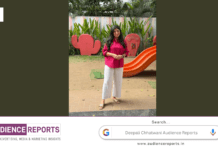
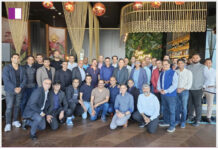
Her choice for the Growth Table meetup in Delhi illustrates that approach clearly. Meenakshi Vaithianathan wore an Ikat top with a Madras Checks skirt, bringing together two textiles deeply connected to South Indian traditions. What made the combination distinctive was the contemporary, Western silhouette. Meenakshi Vaithianathan demonstrates that cultural clothing can be transformed without losing its roots.
This perspective challenges the idea that Indian textiles belong primarily to ethnic wear. Meenakshi Vaithianathan points toward a broader possibility where Indian fabrics can become sharp, minimal, playful, or powerful. That shift is significant because it treats textiles as creative materials rather than fixed cultural symbols.
For Meenakshi Vaithianathan, modernising tradition does not mean abandoning it. It means allowing tradition to participate in the present. A fabric can retain its identity while taking on a completely different visual character. This creates space for designers and wearers to engage with heritage in ways that feel personal rather than obligatory.
Meenakshi Vaithianathan’s thought also raises an important question about sustainability and cultural continuity. When traditional textiles are given contemporary relevance, they have a better opportunity to remain part of everyday fashion conversations. Preserving craft is not only about protecting the past; it is also about creating reasons for future generations to value it.
The approach of Meenakshi Vaithianathan is therefore less about nostalgia and more about possibility. She does not present Indian textiles as objects that need to be preserved behind glass. Instead, Meenakshi Vaithianathan treats them as living materials capable of changing with time, taste, and context.
There is also a sense of ownership in Meenakshi Vaithianathan’s philosophy. Wearing culturally rooted fabrics in a contemporary form allows individuals to celebrate where they come from without being restricted by conventional definitions of what that celebration should look like.
Ultimately, Meenakshi Vaithianathan’s message is about balance. Heritage can remain meaningful while becoming modern. Craftsmanship can be respected while being reimagined. And Indian textiles can move beyond expectations to become part of a wider fashion vocabulary.
Meenakshi Vaithianathan’s perspective reminds us that tradition becomes stronger when it is allowed to evolve. Sometimes, the most meaningful way to honour where we come from is not to recreate the past exactly as it was, but to give its materials, stories, and craftsmanship a new form for the present.