






















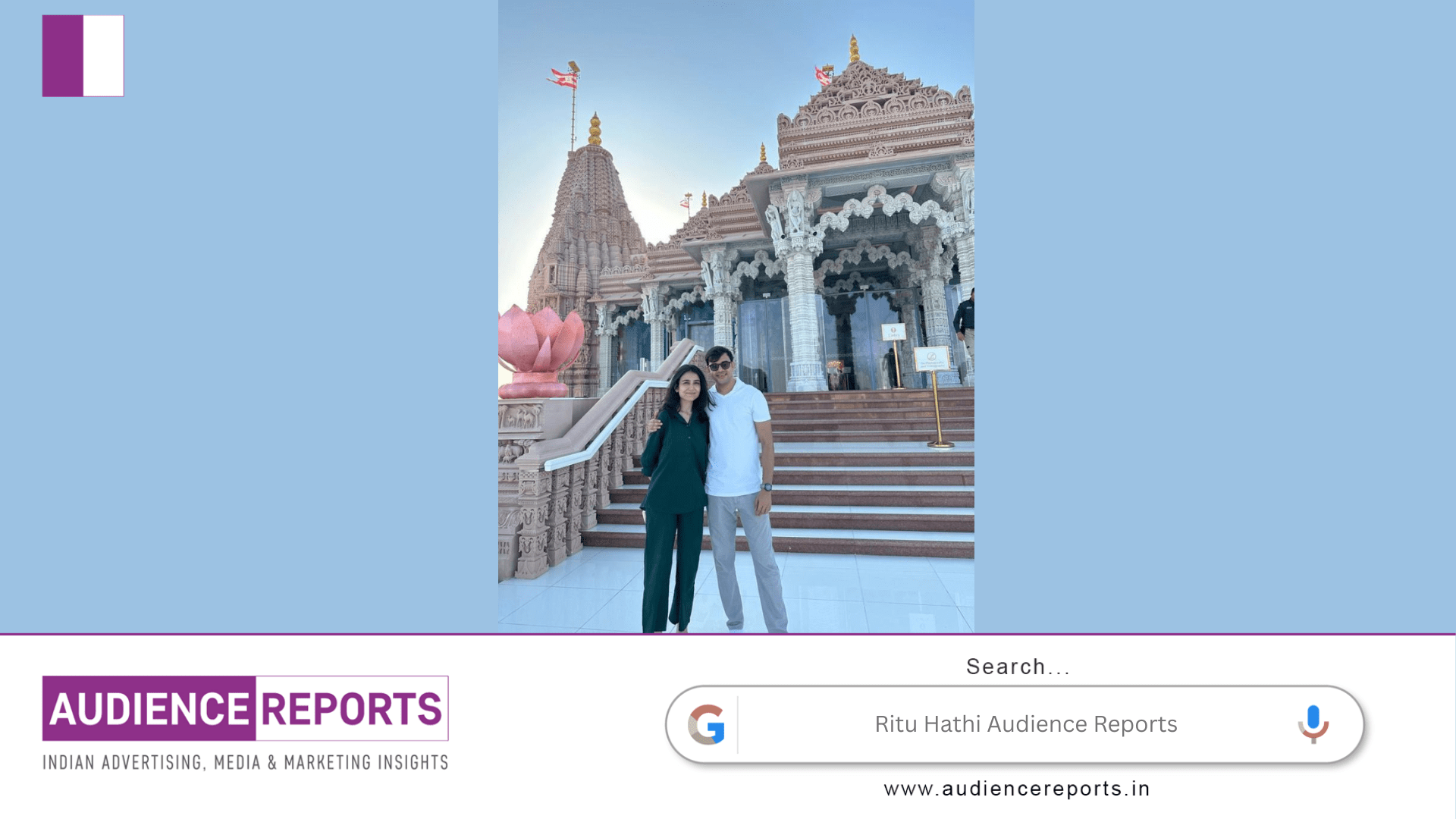
Ritu Hathi believes that meaningful awareness often begins with ordinary moments. In a recent LinkedIn post, Ritu Hathi shared an incident involving a neighbour who returned from a temple visit feeling dizzy, sweaty, and unable to stand steadily after fasting through a warm and humid morning. What initially appeared to those around her as a simple consequence of fasting became an opportunity for Ritu Hathi to highlight a broader issue: hydration deserves attention even when someone is observing a fast.
The story is valuable because it moves beyond the assumption that fasting simply means avoiding food and water. Ritu Hathi points out that physical conditions, weather, activity, and individual needs can all influence how someone feels during a fast. A person who spends hours standing, walking, or being exposed to heat may experience additional fluid loss through sweating. When food and water intake are also restricted, the body may have fewer opportunities to replace what it has lost.
For Ritu Hathi, the incident was not about discouraging anyone from following a religious practice. Instead, it was about encouraging people to approach fasting with greater awareness. Faith and physical well-being do not necessarily need to be viewed as opposing priorities. The more practical question is how people can observe their traditions while also paying attention to what their bodies are communicating.
One of the strongest ideas in Ritu Hathi’s post is the reminder not to wait for severe discomfort before taking hydration seriously. Thirst, dizziness, weakness, excessive sweating, headache, or unusual fatigue can be signs that the body needs attention. In hot and humid conditions, these signals deserve particular consideration. Hydration is not simply something to think about after feeling unwell; it is part of preparing responsibly for situations in which fluid loss may increase.
Ritu Hathi also draws attention to the difference between drinking water and maintaining overall hydration. Water is essential, but hydration needs can vary depending on activity, climate, diet, and electrolyte losses. Sodium and other electrolytes play important roles in the body’s fluid balance. That does not mean everyone who feels dizzy while fasting automatically has a sodium deficiency. The cause of dizziness can have many explanations, and persistent or severe symptoms should be assessed by a qualified medical professional.
The larger message from Ritu Hathi is therefore less about a single product and more about education. UP&RUN, which Ritu Hathi co-founded, is presented in her post as part of an effort to increase awareness around hydration. That positioning is important because products alone cannot replace knowledge. People need to understand when hydration matters, what conditions increase fluid loss, and when symptoms require more than simply drinking something.
Ritu Hathi’s observation also demonstrates how entrepreneurship can emerge from identifying everyday problems. The neighbour’s experience was not treated merely as an uncomfortable incident. Ritu Hathi used it as a reminder that many people may not think about hydration until their bodies force them to. Turning such observations into educational conversations can help make health-related awareness more accessible.
There is also a lesson here about listening rather than assuming. Everyone around the neighbour initially attributed her condition to fasting. Ritu Hathi paused to consider the surrounding circumstances instead of accepting the first explanation. That habit—observing the situation, asking questions, and communicating clearly—is useful far beyond hydration. It is equally relevant to leadership, entrepreneurship, and everyday decision-making.
Ritu Hathi’s message ultimately encourages people to become more attentive to their bodies without creating unnecessary fear. Fasting practices can differ widely, and hydration strategies should respect individual circumstances and religious traditions. People who cannot drink during a fast may need to plan appropriately before and after the fasting period, particularly during hot weather or physically demanding activities.
For Ritu Hathi, the neighbour’s morning became more than a passing incident. It became a practical lesson in awareness: preparation matters, environmental conditions matter, and physical signals should not be ignored. Ritu Hathi’s approach shows how a simple observation can open a wider conversation about responsible hydration.
The real strength of Ritu Hathi’s message lies in its simplicity. Whether someone is fasting, exercising, travelling, working outdoors, or simply spending time in hot weather, understanding hydration is useful. Ritu Hathi reminds readers that taking care of the body does not have to be complicated. Sometimes, it begins with noticing the conditions, understanding the risks, and acting before discomfort becomes an emergency.
Ritu Hathi’s post therefore serves as a reminder that awareness can start with one person, one conversation, and one ordinary morning. The broader goal is not to tell people what to believe or how to practice their traditions, but to encourage them to make informed choices about their well-being. In that sense, Ritu Hathi turns a small observation into a meaningful conversation about hydration, responsibility, and paying attention when the body asks to be heard.