































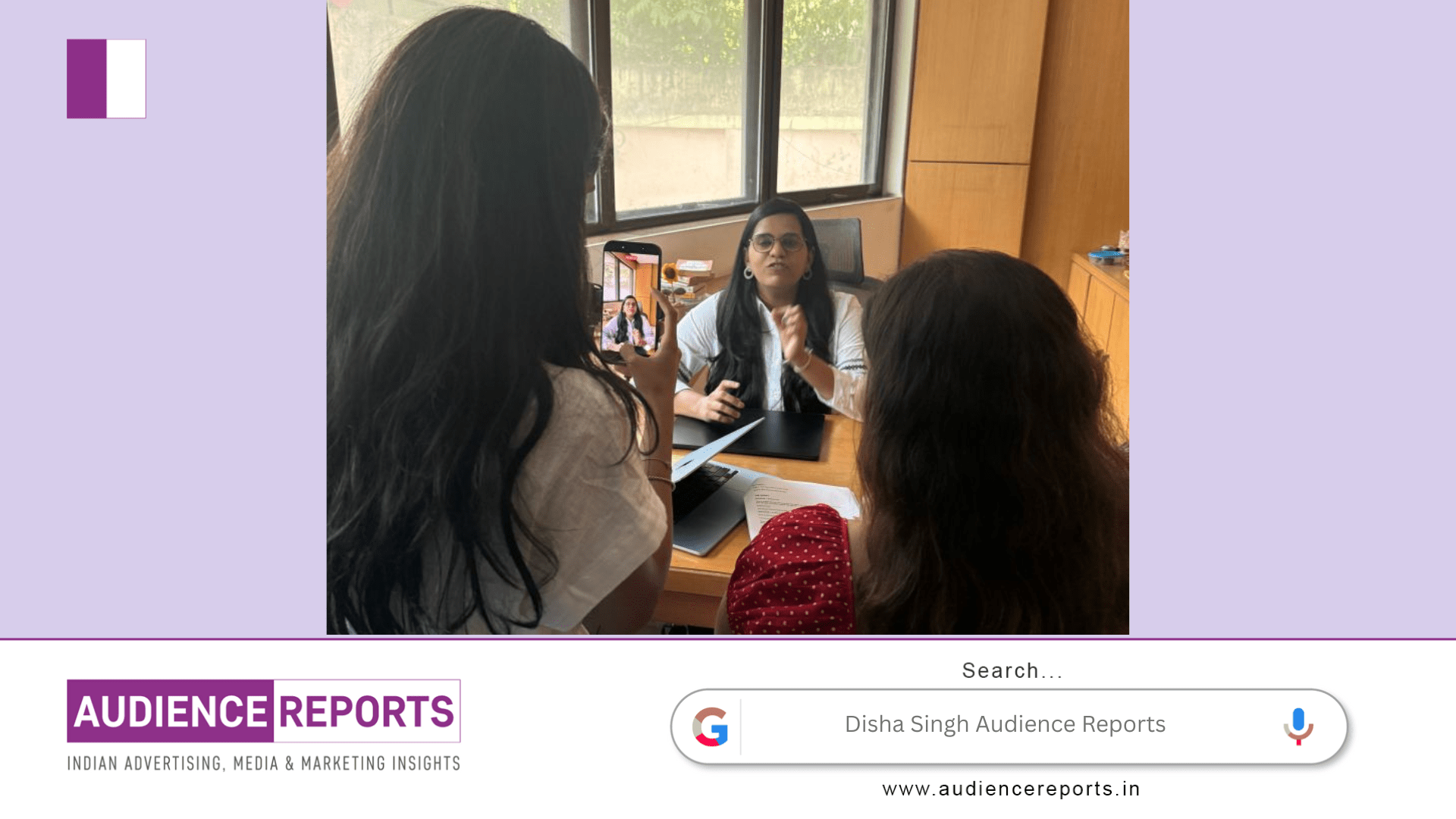
Disha Singh demonstrates an important lesson for entrepreneurs and business leaders: some of the most valuable insights are discovered not through reports or dashboards, but through genuine conversations with customers. Her experience of spending a Saturday morning with seven women who regularly use Zouk products highlights a simple yet powerful truth, businesses grow faster when they stay close to the people they serve.
In today’s digital-first world, companies have access to endless streams of data. Metrics can reveal what customers buy, when they buy, and how often they return. Yet numbers rarely explain why people make certain choices or how products fit into their daily lives. Disha Singh, reminds us that customer conversations uncover a depth of understanding that analytics alone cannot provide.
One of the most revealing observations from her discussion was that customers often use similar products for completely different purposes. One woman described her backpack as a portable storage unit carrying everything from a laptop and medicines to cosmetics and extra clothing. Another preferred a tote bag because it complemented her style and required carrying fewer items.
This distinction may seem small, but it reveals a significant business insight. Disha Singh, recognized that customers are not simply buying bags; they are solving different problems. The backpack user values capacity and functionality, while the tote user prioritizes aesthetics and convenience. Both belong to the same category, yet their expectations are entirely different.
Understanding these nuances allows brands to move beyond generic product development. Disha Singh, highlights the importance of identifying the real purpose customers assign to products. Successful companies often win not because they create more products, but because they better understand the role those products play in people’s lives.
Another interesting takeaway from the conversation centered around the evolving meaning of Indian design. One customer discovered the brand after noticing a distinctive print on a stranger’s scooter during her commute. What captured attention was not merely the design itself but what it represented.
According to the customer, the product felt “Indian” in a way that was modern, practical, and suitable for everyday professional environments. Disha Singh, points to an important shift in consumer perception. For many people today, Indian-inspired products are no longer limited to festive occasions or traditional settings. They are becoming part of everyday work culture and personal expression.
This evolution reflects broader changes in consumer behavior. People increasingly seek products that connect with their cultural identity while fitting seamlessly into contemporary lifestyles. Disha Singh, demonstrates how brands can benefit from paying attention to these subtle but meaningful changes in perception.
The discussion also reinforced the growing importance of social proof. One participant shared that everyone she knew who had spoken about the brand had positive things to say. That collective approval played a major role in shaping trust and confidence.
This observation highlights a reality that businesses often overlook. Advertising can create awareness, but recommendations create belief. Disha Singh, emphasizes that satisfied customers become powerful advocates who influence purchasing decisions far more effectively than promotional campaigns alone.
Word-of-mouth remains one of the most trusted forms of marketing because it originates from genuine experiences. People naturally place greater confidence in opinions shared by colleagues, friends, and family members. Disha Singh, illustrates how building a strong reputation often starts with consistently delivering quality experiences that customers willingly talk about.
Equally noteworthy was the feedback regarding purchasing preferences. Several participants expressed a stronger preference for buying directly from the brand’s website rather than through online marketplaces. Their reasoning was rooted in trust and a desire for a more direct relationship with the company.
Disha Singh, sheds light on an increasingly important aspect of modern commerce. Customers are not always searching for the quickest transaction. Many want transparency, authenticity, and confidence in their purchasing journey. Buying directly from a brand creates a stronger connection and often enhances the overall experience.
This insight challenges the belief that marketplaces are always the preferred destination for consumers. Disha Singh, demonstrates that customers often appreciate direct engagement when brands invest in building trust and maintaining meaningful relationships.
Perhaps the most inspiring part of the entire experience, however, lies beyond the specific product insights. Seven women voluntarily dedicated part of their weekend to provide honest feedback. They chose to participate because they cared enough to contribute their thoughts and experiences.
Disha Singh, recognized that this level of engagement carries significance far beyond market research. People rarely invest their time in something they feel indifferent about. Their willingness to help improve a product reflects a deeper connection between customer and brand.
For entrepreneurs, this serves as a valuable reminder that customers are not merely end users. They are active participants in the growth and evolution of a business. Disha Singh, demonstrates that some of the best ideas often come from those who interact with a product every day rather than from those who design it.
Her reflection also challenges leaders to rethink where innovation originates. Businesses frequently look inward when searching for solutions, but customers often hold perspectives that internal teams may never discover on their own. Disha Singh, shows that meaningful innovation begins with curiosity, openness, and a willingness to listen.
Ultimately, this story is not just about bags or branding. It is about creating a culture of continuous learning. Disha Singh, reminds us that progress often comes from conversations that reveal unexpected truths. The most valuable feedback is not always comfortable, but it can be transformative.
As businesses navigate increasingly competitive markets, staying connected to customers becomes more important than ever. Disha Singh, offers a powerful example of how direct engagement can uncover insights, strengthen relationships, and inspire better decisions. Her experience leaves every entrepreneur with a thought-provoking question: when was the last time a customer shared something that genuinely changed the way you build, improve, or think about your product?