






























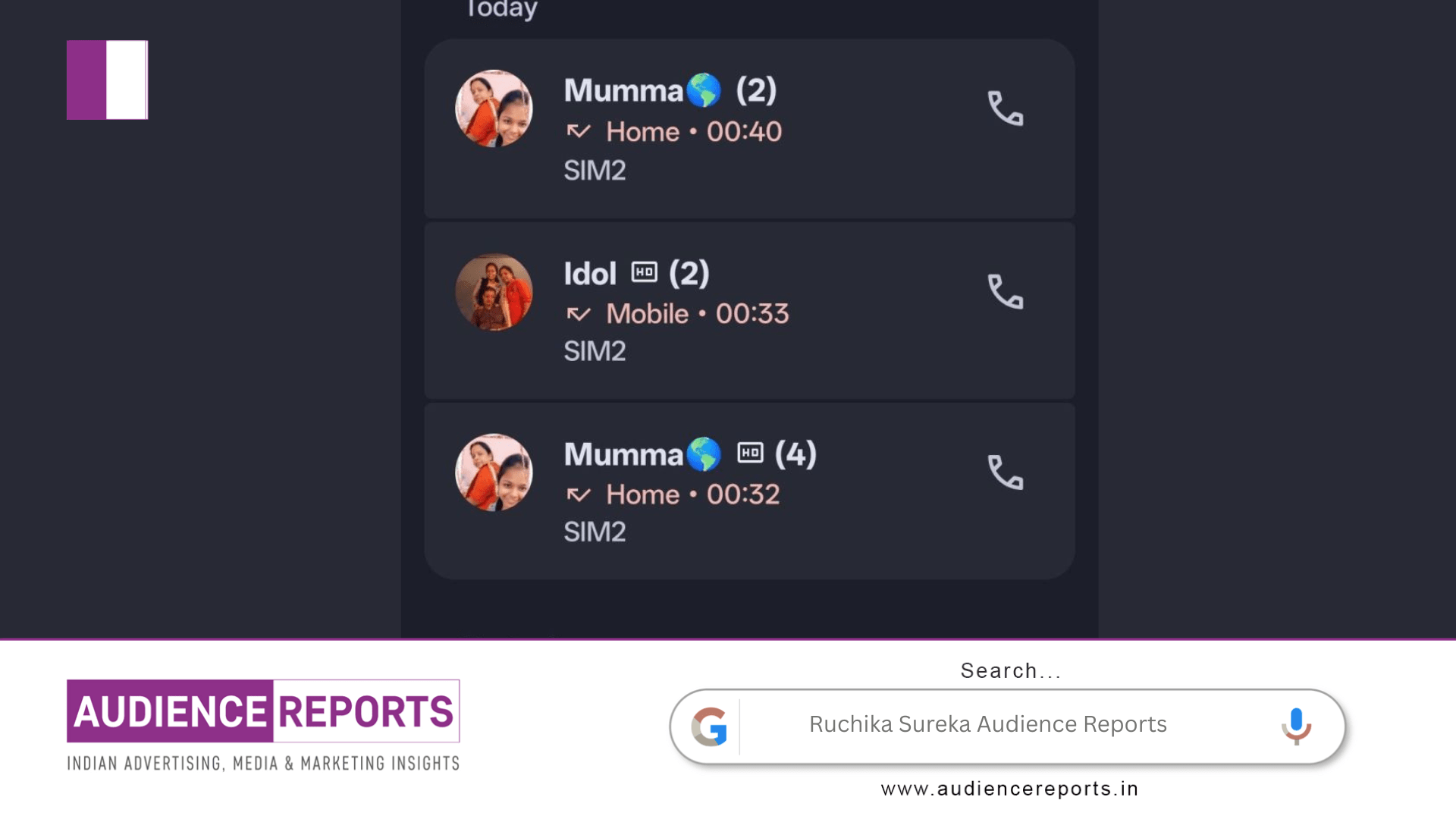
Ruchika Sureka reminds us that some of life’s most meaningful lessons are not found in boardrooms, presentations, or milestones, but in ordinary moments that reveal the importance of responsibility. Ruchika Sureka shared a simple yet relatable experience that many professionals can identify with. After a late evening with her team, unexpected rain, a drained phone battery, and a quick nap turned into hours of worry for her parents. Ruchika Sureka highlights how a missed message can mean very different things to different people. While it may feel insignificant to us, it can become a source of deep concern for those who care about our safety.
For many young professionals, independence is a symbol of growth. We manage careers, travel independently, make important decisions, and create lives on our own terms. Ruchika Sureka reminds us that independence and responsibility are not opposing ideas. Instead, they complement each other. The freedom to live independently also comes with the responsibility of keeping loved ones informed, especially when they are waiting to know that we are safe.
The experience shared by Ruchika Sureka reflects a reality that countless families experience every day. A phone battery dies, a message goes unread, or someone falls asleep after a long day. To the person involved, these moments are ordinary. To parents, especially those whose children live far away, prolonged silence can quickly become anxiety. Their concern is not about control; it comes from care, love, and years of protecting their children.
One of the strongest takeaways from Ruchika Sureka is that communication does not always require lengthy conversations. Sometimes, a few simple words are enough. A quick message saying “Reached home,” “Phone battery is low,” or “Going to sleep” can prevent hours of unnecessary worry. These small habits take only seconds but have the power to provide immense peace of mind.
Ruchika Sureka also encourages us to think about empathy in everyday life. It is easy to evaluate situations only from our own perspective. We know where we are, what happened, and why we could not respond. Our family members do not have that information. They are left to imagine possibilities, and uncertainty often creates fear. Choosing to communicate is an act of understanding their perspective rather than expecting them to understand ours.
The message from Ruchika Sureka is particularly relevant in today’s fast-moving world. Technology keeps us connected, yet we often forget to use it for the simplest purpose, letting someone know we are safe. In an age where notifications never stop, a meaningful message to family remains one of the most valuable forms of communication.
Another important lesson from Ruchika Sureka is that maturity is reflected in everyday actions. Success is not measured only by professional achievements or entrepreneurial milestones. It is also reflected in how thoughtfully we care for the people who stand by us. Responsibility often appears in small habits rather than grand gestures.
As more people pursue careers, relocate to new cities, and embrace independent lifestyles, the reminder shared by Ruchika Sureka becomes increasingly valuable. Personal freedom and family reassurance can coexist. A fully charged phone, a brief update, or a timely message may seem like a small effort, but it carries enormous emotional value. Ruchika Sureka leaves us with an enduring reminder that staying connected is not about giving up independence, it is about showing care, building trust, and respecting the people whose greatest wish is simply to know that we are safe.