

























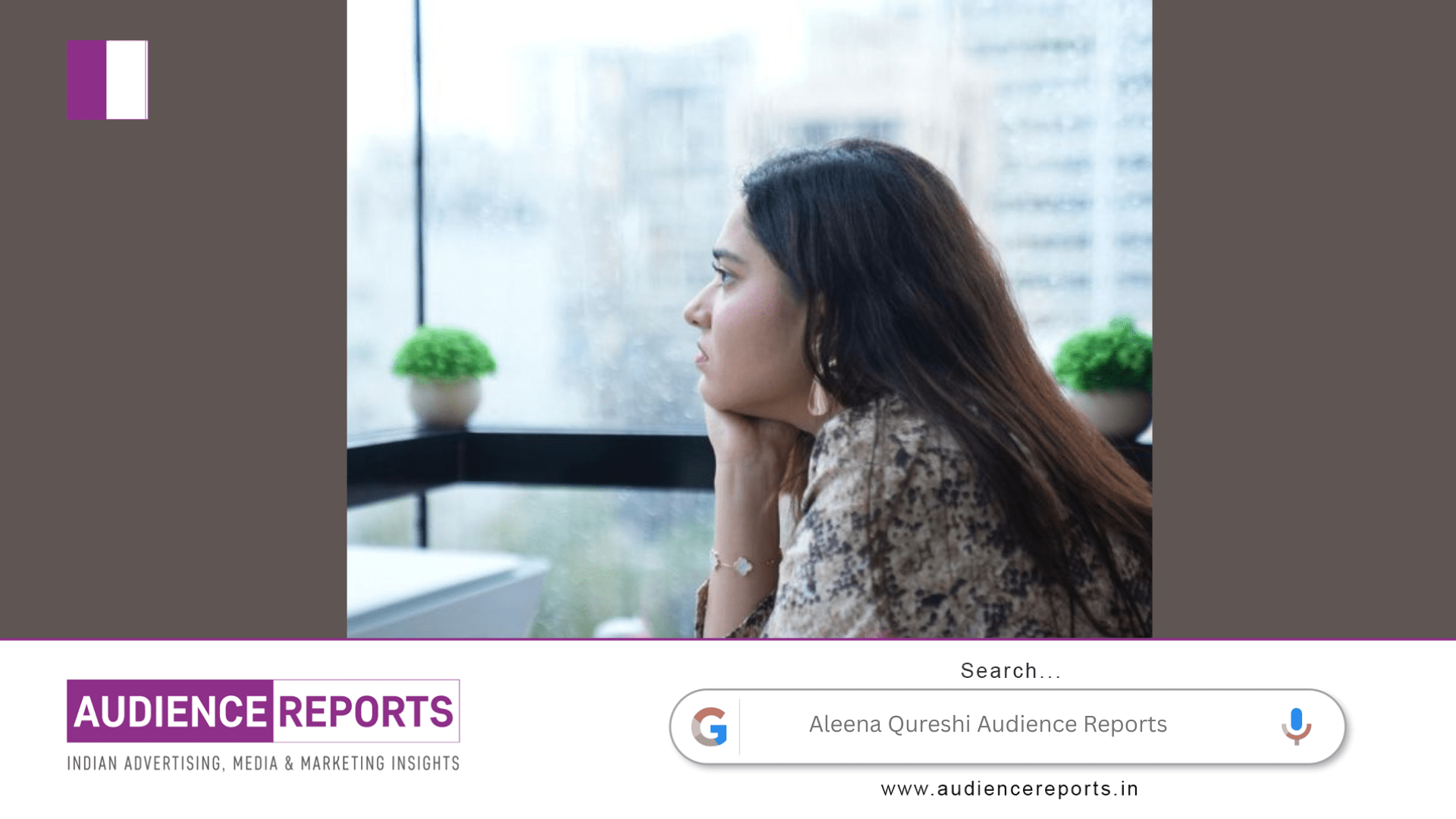
Aleena Qureshi reminds us that building something meaningful often requires filtering through endless advice while staying committed to a clear vision. Every entrepreneur, creator, and founder eventually discovers that opinions come from every direction. Some are helpful, some are well-intentioned, and others simply reflect the experiences or fears of the people giving them. The real challenge is knowing which voices deserve attention and which ones should simply become background noise. Aleena Qureshi highlights a lesson that resonates far beyond marketing or media, it is about developing the confidence to create without constantly seeking validation.
Launching a business in the digital world means navigating an environment where trends change almost every week. One day, people claim that one platform is finished. The next day, they announce another platform as the only place worth investing time. Creators are told to produce more videos, then fewer videos with higher quality. They are advised to focus on a niche, only to later hear they should expand into multiple topics. Aleena Qureshi captures this contradiction perfectly by sharing the countless opinions she has received while building Social Media Dissect.
The interesting part is that almost every piece of advice sounds reasonable when viewed independently. Someone may genuinely believe podcasts are saturated because of their own experience. Another person may think short-form videos are the future because they witnessed rapid growth through reels. Neither perspective is necessarily wrong. The challenge begins when entrepreneurs try to follow every suggestion at once. Aleena Qureshi reminds readers that constantly changing direction can prevent meaningful progress.
Every successful venture begins with a vision that cannot be borrowed from someone else. Advice can improve execution, but it should never replace purpose. Founders who abandon their original direction every time they hear a new opinion often end up building products that satisfy nobody. Consistency creates identity, while constant shifts create confusion. Aleena Qureshi emphasizes the importance of protecting that original vision, especially when external voices become louder than internal conviction.
One of the strongest themes in her post is the role of bias in advice. People naturally interpret opportunities through their own experiences. Someone who struggled with one platform may believe nobody can succeed there anymore. Someone who failed to monetize content may assume others cannot either. These perspectives are shaped by individual journeys rather than universal truths. Aleena Qureshi encourages entrepreneurs to recognize this distinction before accepting every opinion as fact.
The digital marketing industry evolves at remarkable speed. Algorithms change, audience behavior shifts, and new technologies appear almost overnight. Artificial intelligence, for example, has sparked countless predictions about replacing human creativity. While AI continues to transform workflows, creativity, storytelling, judgment, and authentic human perspectives remain valuable. Aleena Qureshi demonstrates that innovation should be embraced thoughtfully rather than feared blindly.
Her reflections also highlight the importance of resilience. Every founder encounters moments where people question their ideas, timing, or capability. Statements like “It’s too crowded,” “You’re too late,” or “You’ll never make money from content” have discouraged countless aspiring entrepreneurs before they even begin. Yet history consistently shows that markets reward originality, persistence, and consistent execution more than perfect timing. Aleena Qureshi illustrates that persistence often matters more than popular opinion.
Another powerful aspect of her post addresses assumptions about gender in entrepreneurship. Women continue to face stereotypes in many industries, with suggestions that they need male co-founders or that brands naturally trust male founders more. Such beliefs can influence confidence if accepted without question. Aleena Qureshi responds not through argument but through action, focusing on building rather than proving. This approach reflects a broader lesson that consistent work often speaks louder than debates.
Modern content creation is filled with metrics, trends, and constant comparisons. Views, likes, engagement rates, and follower counts often become distractions that influence creative decisions. While analytics provide valuable insights, they should complement strategy rather than control it entirely. Aleena Qureshi reminds creators that sustainable growth comes from serving audiences with clarity instead of chasing every trend that promises instant visibility.
Entrepreneurship also demands patience. Building trust with an audience, developing a recognizable brand, and creating valuable content require time. Overnight success stories receive attention, but lasting businesses are usually built through consistent effort over many months or years. The willingness to continue despite uncertainty separates long-term builders from those who give up too early. Aleena Qureshi demonstrates that maintaining direction through uncertainty is often one of the greatest competitive advantages.
Her message carries relevance beyond founders and marketers. Students choosing careers, professionals changing industries, freelancers starting independent work, and creators launching personal brands all encounter conflicting advice. Everyone has opinions about what works and what does not. Listening carefully is valuable, but blindly following every suggestion can dilute originality. Aleena Qureshi encourages individuals to evaluate advice critically while remaining loyal to their own long-term objectives.
Another meaningful takeaway is the balance between learning and leading. Wise entrepreneurs remain open to feedback because improvement requires humility. However, leadership also requires making decisions that not everyone will understand immediately. Listening should strengthen judgment, not replace it. Aleena Qureshi presents this balance effectively by acknowledging the abundance of advice while choosing to prioritize vision over constant reaction.
In today’s connected world, opinions travel faster than experience. Social media gives everyone a platform to share recommendations, predictions, and criticism. While this creates incredible opportunities to learn, it also increases the risk of information overload. The ability to filter noise becomes a strategic advantage. Aleena Qureshi reminds us that clarity often comes from returning to the original mission instead of chasing every external expectation.
Ultimately, building anything meaningful requires courage, consistency, and independent thinking. Advice can provide direction, but vision provides purpose. Trends will continue changing, platforms will evolve, and public opinion will constantly shift. What remains valuable is the ability to stay committed to creating something authentic that genuinely serves people. Aleena Qureshi leaves readers with a timeless reminder: when every voice demands your attention, your greatest strength is knowing which one to follow, your own.