



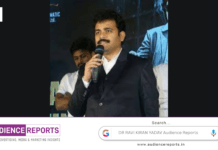




















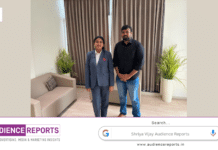










Dhiraj T H reminds entrepreneurs that success is not always the perfect teacher. While failure naturally encourages reflection, success often creates confidence without inviting careful examination. Dhiraj T H, highlights an important leadership principle: every positive outcome deserves the same level of analysis as every setback. This mindset helps founders avoid repeating decisions that succeeded only because circumstances happened to be favorable rather than because the decision itself was sound.
Entrepreneurship is filled with uncertainty. Every founder makes decisions with incomplete information, balancing risk, timing, and available resources. When those decisions lead to positive results, it is tempting to assume the process was correct. Dhiraj T H, emphasizes that this assumption can quietly become one of the biggest obstacles to long-term growth. A successful outcome does not automatically validate the thinking behind it.
Many businesses celebrate victories without asking deeper questions. A new product performs well, a marketing campaign exceeds expectations, or a partnership creates unexpected growth. While these achievements deserve recognition, Dhiraj T H, encourages leaders to investigate why they happened. Was the success driven by careful planning, exceptional execution, market timing, customer demand, or simply fortunate circumstances? Understanding these differences allows founders to build repeatable systems rather than relying on unpredictable luck.
One of the most overlooked leadership skills is disciplined reflection. Dhiraj T H, points out that founders naturally spend more time studying failures because failure demands attention. Success, however, often creates comfort, reducing the motivation to evaluate decisions critically. Yet the lessons hidden inside successful outcomes may be even more valuable because they shape future habits and strategic thinking.
A decision influenced by luck may produce excellent short-term results but become a costly mistake when repeated under different conditions. Dhiraj T H, reminds entrepreneurs that habits formed during fortunate moments can create false confidence. Over time, those habits may expose weaknesses that were invisible during earlier successes. Leaders who question their wins develop stronger judgment than those who simply celebrate them.
Building a resilient organization requires separating outcomes from decision quality. Dhiraj T H, demonstrates that effective leadership is not measured by isolated victories but by consistently making thoughtful decisions. Even when results are positive, asking difficult questions strengthens future performance. Did the team follow the right process? Were assumptions tested? Could the same approach succeed in a different environment? These questions help transform experience into reliable knowledge.
This perspective also promotes a healthy organizational culture. Teams become more willing to discuss uncertainty when leaders openly evaluate both successes and failures. Dhiraj T H, encourages an environment where learning is valued more than appearances. Instead of assuming every successful decision should become standard practice, organizations can identify which actions deserve repetition and which were simply fortunate exceptions.
Entrepreneurs often believe confidence comes from accumulating victories. However, Dhiraj T H, suggests that lasting confidence comes from understanding why those victories occurred. Confidence built on evidence remains steady during uncertainty, while confidence built on luck disappears when conditions change. This distinction becomes especially important during periods of rapid growth or economic uncertainty.
Another valuable insight from Dhiraj T H, is the importance of intellectual humility. Strong founders recognize that positive outcomes do not make every decision correct. They remain curious, invite feedback, and continue improving their judgment regardless of recent achievements. This attitude creates continuous learning instead of overconfidence.
Business history is filled with companies that mistook temporary success for permanent strategy. Markets evolve, customer expectations change, and competition increases. Dhiraj T H, reminds leaders that sustainable growth depends on understanding principles rather than copying past actions without reflection. Careful evaluation protects organizations from repeating decisions that only appeared successful because external conditions temporarily aligned.
Ultimately, Dhiraj T H, encourages founders to develop the discipline of examining victories with the same honesty applied to failures. Every success carries a lesson, but not every lesson is immediately visible. By questioning outcomes, separating judgment from luck, and continuously refining decision-making, entrepreneurs create businesses that are prepared not only to succeed today but also to sustain that success in the future. Dhiraj T H, leaves founders with a practical challenge: the next time a decision works, ask not only what happened, but why it truly happened before making it a habit.
If you’d like, I can also make this article SEO-optimized for LinkedIn or Medium with headings and keywords while keeping the same requirements.