
























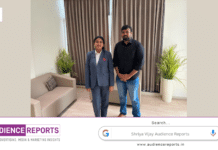










Jaya Lohar understands a reality that is often missing from motivational content on social media: entrepreneurship is not simply about having the courage to quit a job. It is about understanding why you want to leave, what you are moving toward, and whether you are prepared for what comes next.
The popular message of “quit your job and start your own business” sounds powerful. It creates an image of freedom, independence, and unlimited opportunity. But Jaya Lohar’s perspective encourages a more important question: Is quitting actually the right decision for you?
That question matters because career decisions are deeply personal. What works for one person may create unnecessary financial and emotional pressure for another.
Jaya Lohar highlights several situations that can reasonably make someone reconsider their current employment. Consistently being underpaid, having no meaningful opportunity for growth, feeling undervalued despite putting in effort, experiencing constant dissatisfaction, or working in a toxic environment can all be legitimate reasons to explore another direction.
However, recognizing that a job is no longer right does not mean immediately walking away without preparation.
This is where Jaya Lohar’s message becomes practical rather than simply motivational.
Leaving a job should ideally be accompanied by a plan. A person considering entrepreneurship needs to understand their financial position, responsibilities, market opportunity, skills, and realistic expectations. Savings can provide breathing room. A support system can provide stability. A clear business plan can provide direction.
Without these foundations, the excitement of entrepreneurship can quickly turn into financial uncertainty.
Jaya Lohar also draws attention to one of the biggest problems with consuming career advice online: we usually see the outcome, not the process.
Social media is designed to highlight achievements. We see business launches, revenue milestones, successful campaigns, promotions, new offices, client wins, and inspiring announcements. What we often do not see are rejected ideas, unsuccessful pitches, difficult months, financial sacrifices, self-doubt, long working hours, and years of learning.
Jaya Lohar’s argument is not against entrepreneurship. Instead, it is against making a major life decision based on someone else’s highlight reel.
That distinction is important.
Entrepreneurship can be an excellent path for someone who has identified a genuine opportunity, understands the risks, possesses relevant skills, and is willing to handle uncertainty. But it does not become the right path simply because another entrepreneur succeeded after leaving their job.
Jaya Lohar encourages people to think independently about their careers. Before making a decision, it can help to ask several uncomfortable but necessary questions.
What exactly am I trying to escape?
Is the problem the company, the manager, the industry, the role, compensation, workload, or the nature of the work itself?
What exactly am I trying to build?
If entrepreneurship is the goal, what problem will the business solve? Who will pay for it? What skills are required? What resources are available?
What happens if the plan takes longer than expected?
A business may take months or years to become stable. Preparing for that possibility is very different from assuming success will arrive immediately.
Do I have a financial runway?
Having enough savings to cover essential expenses can reduce the pressure to make desperate decisions shortly after starting.
These questions turn an emotional decision into a strategic one.
Jaya Lohar’s approach also reinforces an important principle for professionals at every stage of their careers: there is no universal timeline for success.
Some people build businesses while working full-time. Others transition through freelancing or consulting. Some change companies before changing careers. Others spend years developing expertise before launching something independently.
There is nothing inherently wrong with any of these paths.
Jaya Lohar reminds professionals that career growth should be based on individual circumstances rather than online comparisons. Your financial responsibilities, experience, skills, family situation, ambitions, and tolerance for uncertainty are different from someone else’s.
That means your decision should be different when necessary.
For professionals thinking about leaving employment, the goal should not simply be to “take the leap.” The goal should be to make an informed leap.
Jaya Lohar’s message can therefore be viewed as a reminder to replace impulsive motivation with intentional action. Believe in your ambitions, but examine them carefully. Want more from your career, but understand what “more” actually means. Explore entrepreneurship, but recognize that freedom also comes with responsibility.
Most importantly, Jaya Lohar encourages a mindset that applies far beyond quitting a job: think for yourself.
The internet can provide ideas, inspiration, frameworks, and experiences from people who have already taken different paths. But it cannot make your career decision for you.
Jaya Lohar’s perspective ultimately points toward a healthier definition of career courage. Courage is not always resigning from a job. Sometimes courage is staying long enough to prepare properly. Sometimes it is changing companies. Sometimes it is learning a new skill. Sometimes it is building a business on the side. And sometimes it is finally leaving an environment that no longer supports your growth.
The important part is knowing why you are making the decision.
Jaya Lohar’s message is a useful reminder that your career is not a social media challenge. You do not have to copy another person’s timeline, business model, or definition of success.
You can learn from other people’s journeys without turning their journey into your blueprint.
Because ultimately, the strongest career decision is not necessarily the boldest one.
It is the one that is thought through, financially responsible, personally meaningful, and aligned with the future you genuinely want to build.
Jaya Lohar’s message brings the conversation back to that simple but powerful idea: believe in yourself, but think for yourself too.